Food and water are our engine: what helps us end the day smiling and start the next with energy. We're not nutritionists, but we've collected everything we know, purely from experience.
The basics
- 01 Eat slow-release food: the pace differs from racing and your heart rate stays steady and moderate.
- 02 Eat something every 40–60 minutes and stop for a meal every 3 hours.
- 03 On a normal ride you can come home exhausted. On a bikepacking trip you can't afford to.
- 04 Check your resupply points before you leave, and always keep extra in your bag.
- 05 Don't rely on water points you're not sure are working.
- 06 Enjoy tasty food. It's hard enough, so let the food make up for it.
- 07 Don't overpack. Two uneaten sandwiches weigh half a kilo.
Food options along the way
Hot food
Why yes: cheap, feels like real bikepacking, always available and no daily resupply. Why not: the weight of cookware and water, and when you're hungry and tired, prep time drags.
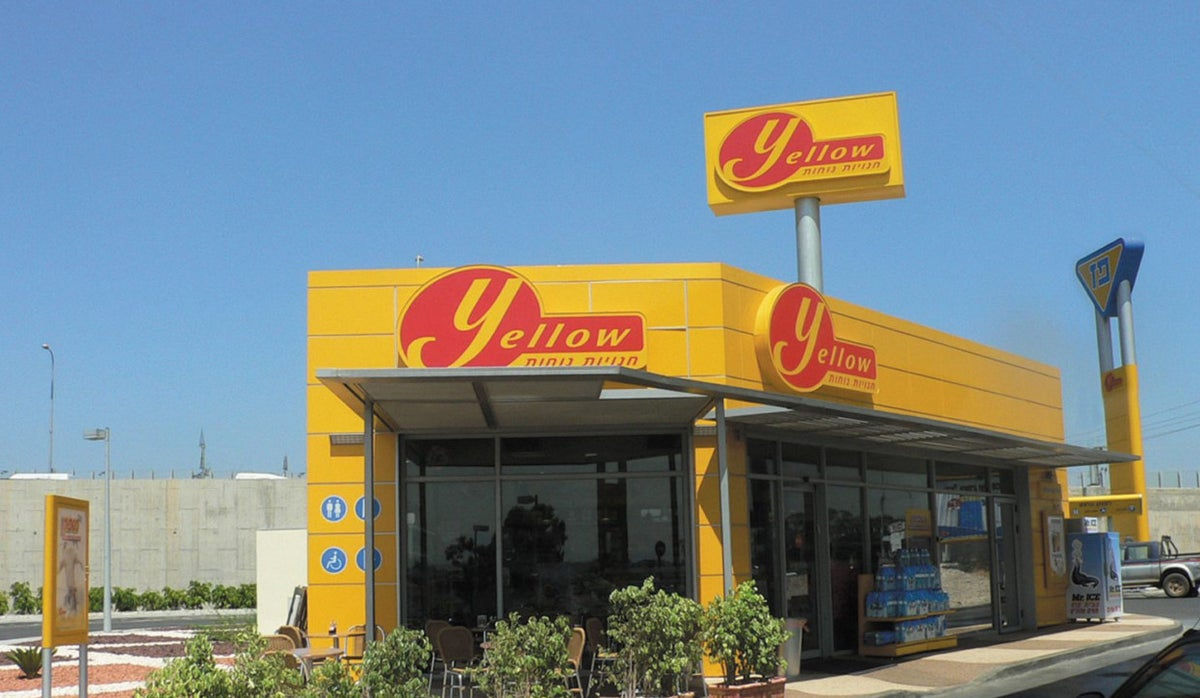
Gas stations
Why yes: almost everywhere, open all night, with everything from sandwiches to fruit and coffee. Why not: pricey, those shelf-stable sandwiches aren't great, and you need to plan.
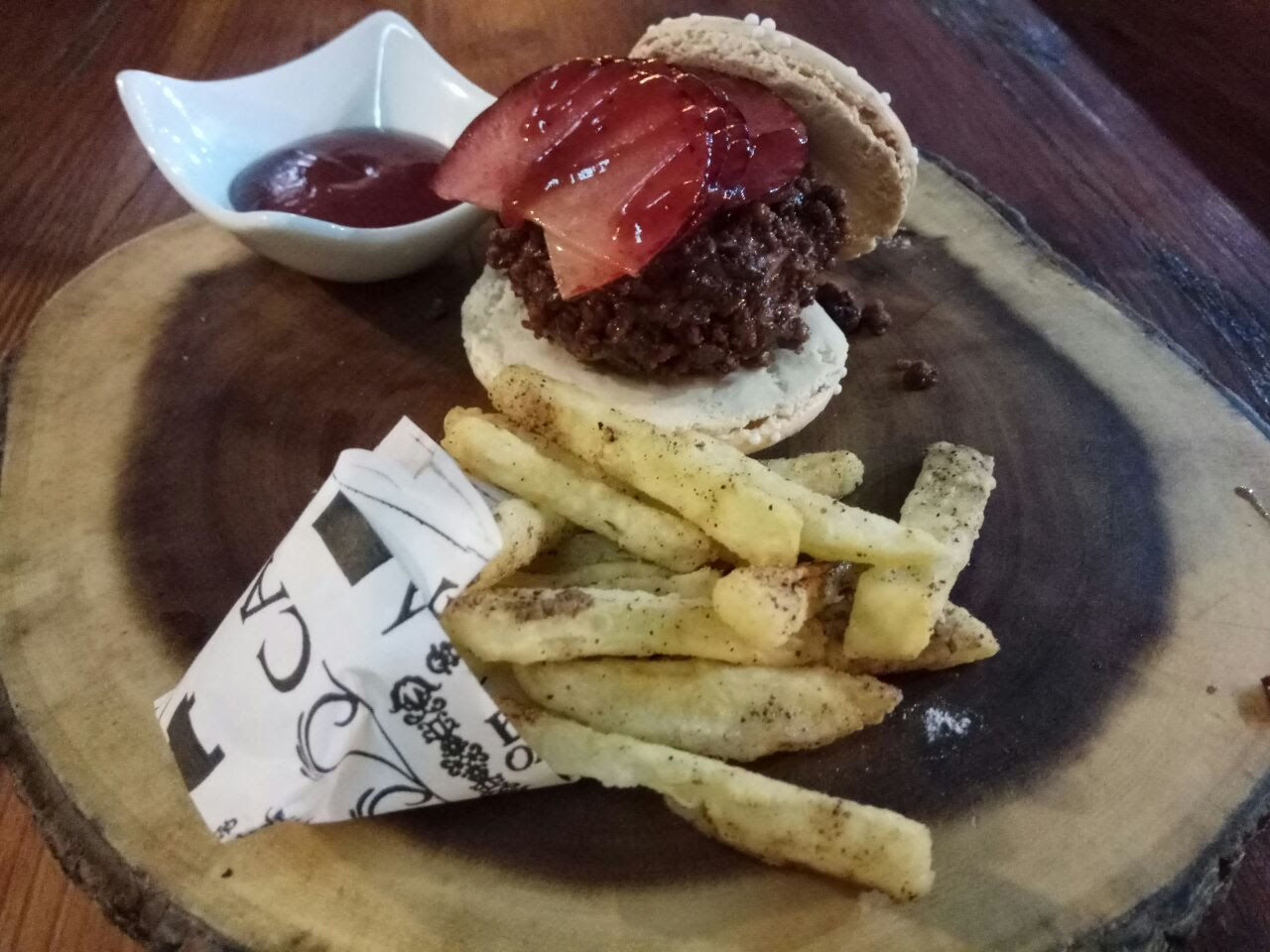
Restaurants and cafés
Why yes: nothing beats a feast after an exhausting day. Why not: very expensive, limited availability, and you need to plan stops and a safe spot for the bike.
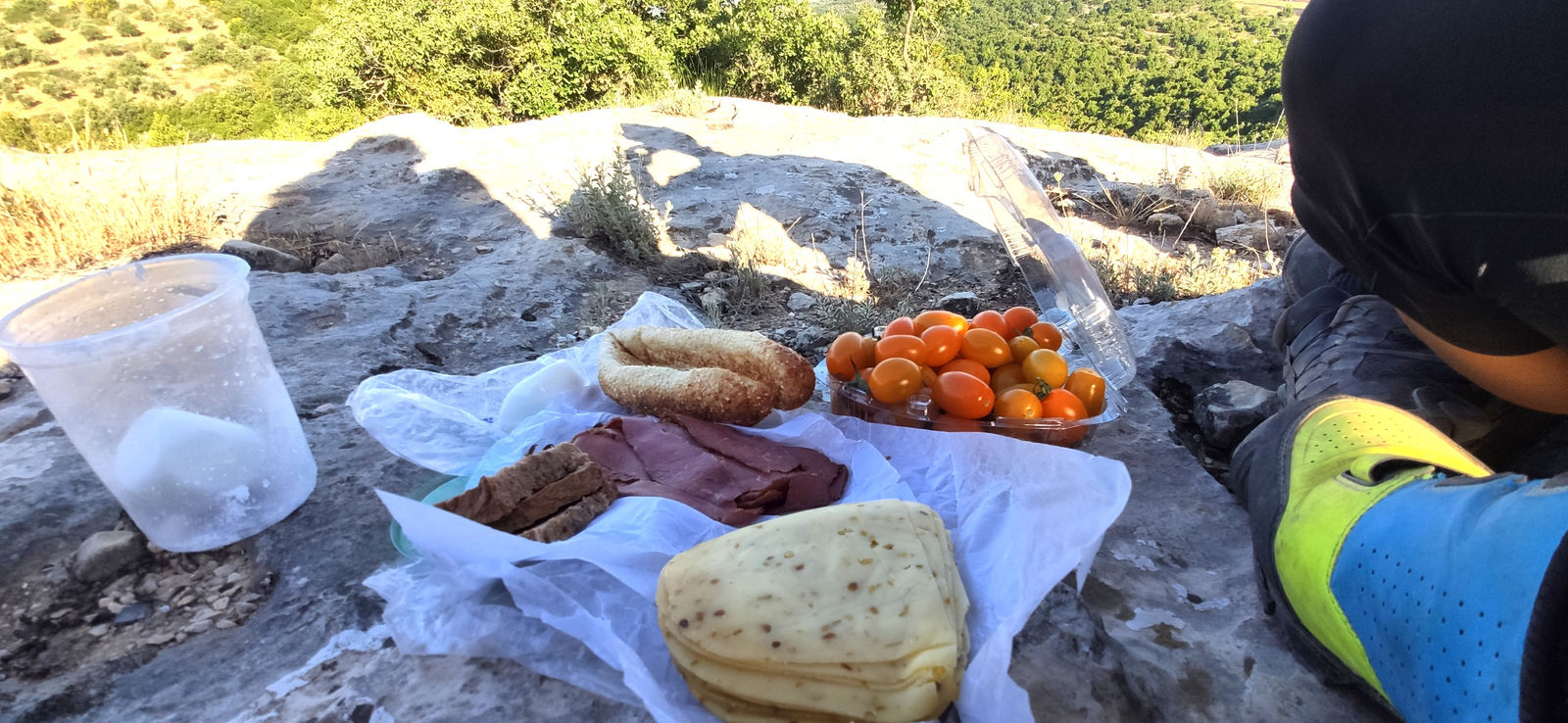
Cold food
Why yes: pull it out and eat, buy it on the way. Why not: spoils faster, needs forward planning, and storing it in bags is tricky.
Hot food
Want to go all out?
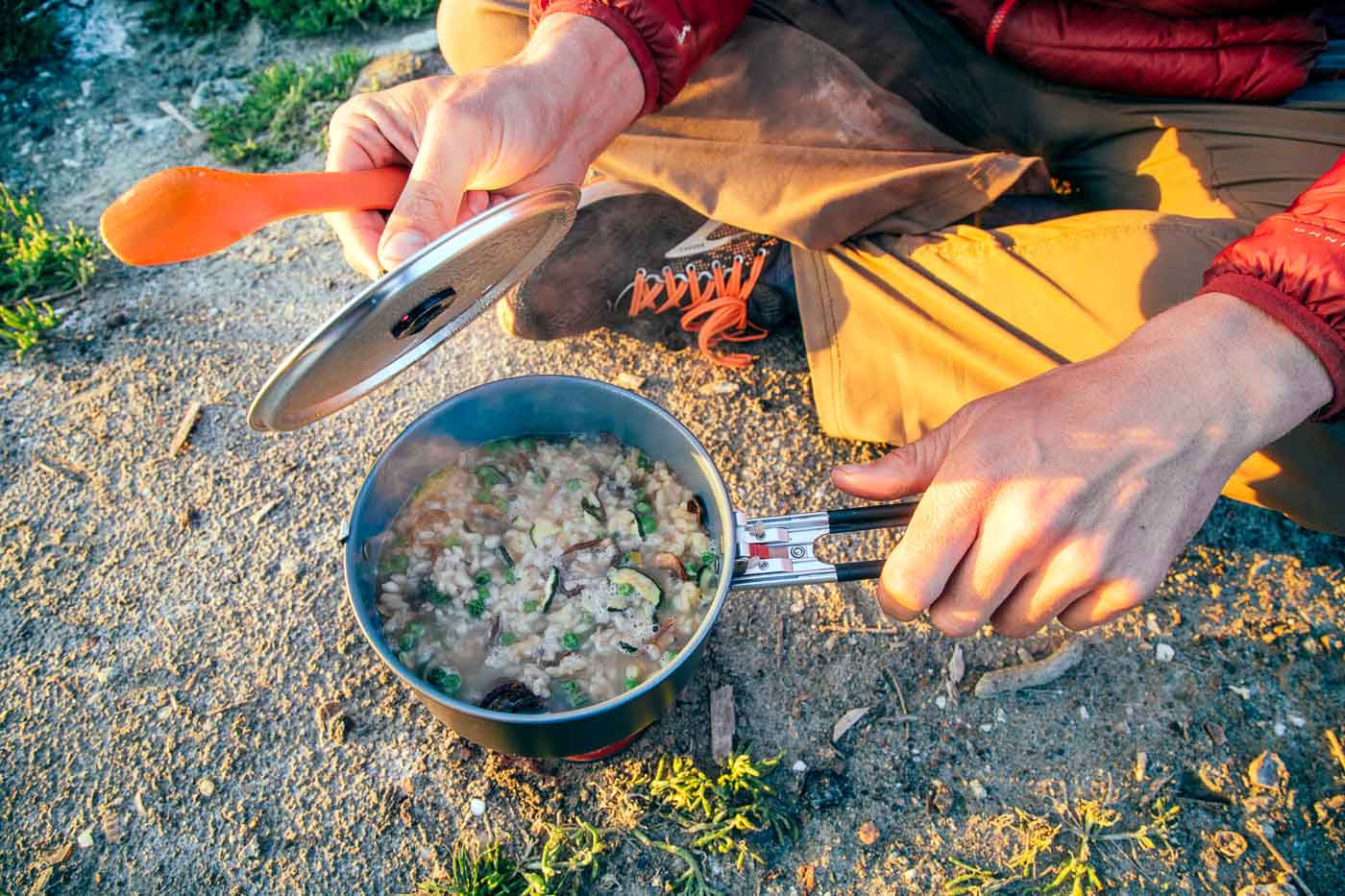
Ptitim (Israeli couscous) with peanut butter, bits of sausage or cheese and soup powder. After two plates you sleep like a baby.
Recommended
Rice with a can of peas and carrots makes a tasty, nourishing meal. So does oatmeal with nuts, almonds and cranberries.
Heating: campfire
A metal stand from an outdoor store or a real fire. Both need dry wood, a suitable spot and patience.
Heating: gas stove
The standard: gas canister, small burner, lighter, and fast heat with minimal fuss. Bring a spare canister for longer trips, and a windscreen.
Dehydrated meals
Many stores now sell quality, nutritious dehydrated meals. Add hot water and you have a rich dinner.
Packing and spices
Pack meals in cooking order, in labelled bags. Bring small bags of salt, pepper, sugar and why not paprika. 50 g is enough.
Cold food
What counts as cold food?
Anything that needs no heating: sausage, cheese, a sandwich from home, nuts, and calorie-rich protein drinks.
Freshness
Once food leaves the fridge it starts to spoil. Check the weather and plan what to eat on day one and day two. Tuna, a roll and a cucumber are perfect.
Storage
Buy small portions rather than a 400 g pack, since it's hard to reseal once opened. It keeps longer.
Kabanos and canned food
A tip from Hanoch Redlich: kabanos. You'd never touch it at home, but on the trail it's a salty treasure. Canned food is nutritious with no preservatives. And pickles, juice included.
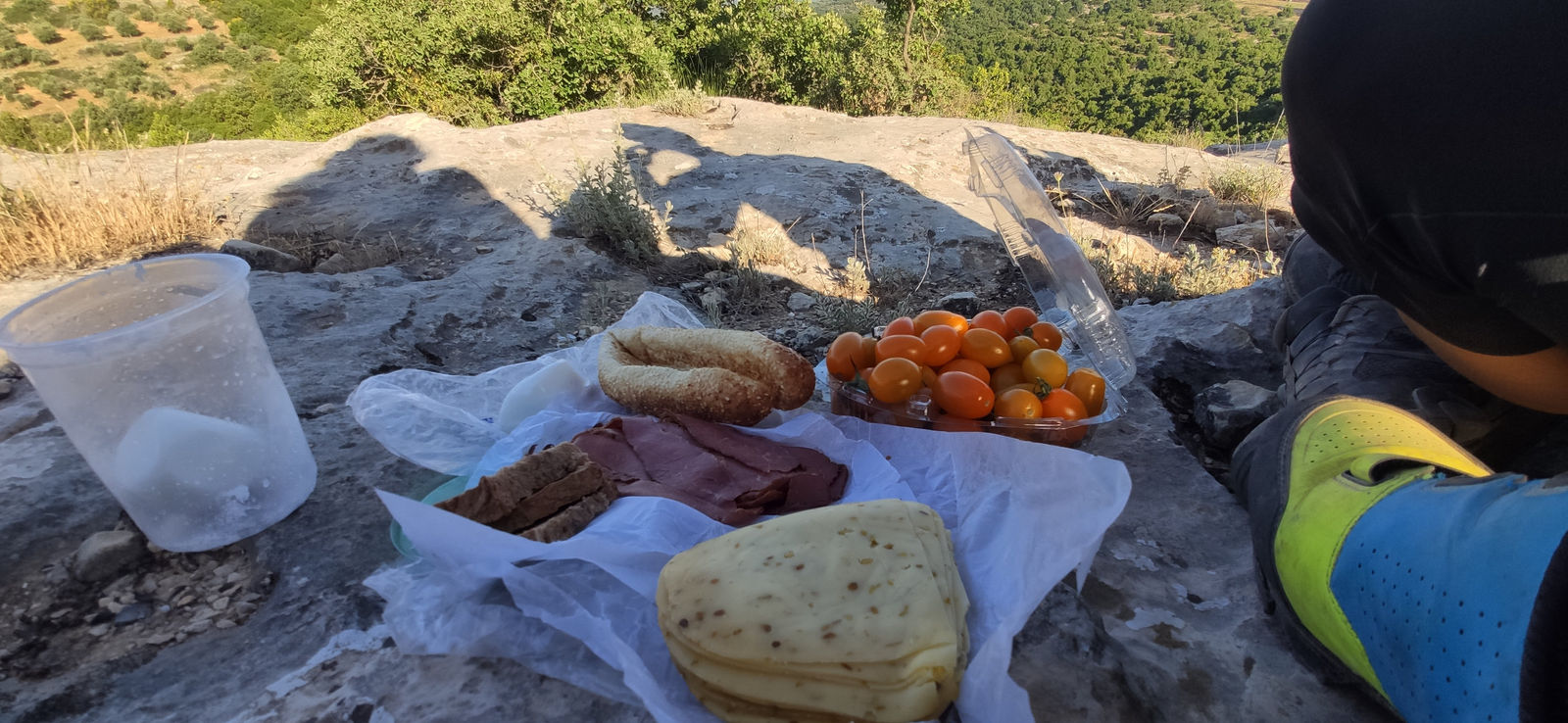
Cold food can be a feast
Cherry tomatoes, good sausage, cheese, a fresh baguette and a few olives. An Italian picnic in nature. Cold food isn't just tuna.
Fruit and vegetables
Almost every moshav has a farm stand. Watch for the signs and stop, even just for a freshly picked orange.
Fluids
Everything counts
Juice from the gas station, a protein drink, a latte: it all counts toward your total fluids.
Hey, a tap!
See a tap? Fill up, even if you've only drunk half. You never know if the next one works.
How much water is left?
Split your water in two: half in your backpack, half on the bike. You'll drink freely knowing there's more.
Not just water
A 1.5 L bottle of grape or orange juice from the gas-station fridge: lots of fluid and around 500 calories that absorb faster than a sandwich.
Where to refill water
- 01 Gas stations, at almost every big junction.
- 02 Taps at the entrance to kibbutzim and moshavim.
- 03 Cemeteries: there’s almost always a tap.
- 04 Paid campsites and trail angels.
- 05 Springs and pools only with a filter or purification tablets.
How much food do you need a day?
3,000–5,000 calories
A day of riding with gear burns far more than a normal day. It's hard to eat all of it, so the aim is simply not to fall too far behind.
Carbs are the fuel
Most riding energy comes from carbohydrates: bread, rice, pasta, dates, dried fruit and energy bars.
Fat = lots of energy, little weight
Nuts, peanut butter, chocolate and sausage give the most calories per gram. Perfect when every gram in the bag counts.
Protein for dinner
A dinner with protein, such as tuna, pulses, cheese or eggs, helps your muscles recover for tomorrow.
A sample day
- 01 Morning: porridge or a sandwich, and coffee.
- 02 On the way: a snack every 45 minutes, dates and nuts.
- 03 Lunch: at a gas station or a village shop.
- 04 Evening: a hot meal with protein, like couscous or rice with tuna or pulses.
Salts and heat
You sweat salt too
In the heat you lose not just water but sodium and minerals. Drinking only plain water over a long day can cause dizziness and cramps.
Electrolyte tablets
A tablet in every second bottle, or a salty snack like pretzels and crisps, keeps you balanced.
Drink before you’re thirsty
Thirst is a late signal. A small sip every 10–15 minutes beats a whole bottle at once.
Warning signs
Headache, nausea, chills in the heat or no more sweating: stop in the shade straight away, drink, cool down, and call MDA if needed.
What goes in the top-tube bag?
Dates
Sweet, heat-proof and packed with energy. Every Israeli bikepacker knows them.
Trail mix
Light, uncrushable and lasts for days. Make one bag per day at home.
Energy bars and gels
For the hard climbs and moments when you need a quick hit. Don't rely on them alone.
Something salty
Pretzels, crackers or crisps. After a few hours of sweet stuff, your body will welcome the salt.
How much to drink and eat, by the forecast?
Calculates heat load, fluid and energy needs from the hourly forecast for your route.
Shabbat and holidays
- 01 Buy Saturday’s food on Friday morning.
- 02 Village shops are closed on Shabbat and holidays.
- 03 Gas stations on main roads are usually open.