Y.O.T.A
72 hours. One team. Zero files. The desert is the map. You are the route.
Nobody sends you a GPX file.You get a list of points in the desert.You decide where, how far and in what order.And the team that collects the most wins,not the first one in.
About a month before the start, a list of checkpoints scattered across the Negev and the Arava is published. Each has its own score, and the hard-to-reach ones are worth more. Every team studies the terrain and builds a plan with alternatives, and at the start the plan meets reality: wind, soft sand, a slashed tyre, a closed firing zone. Decisions are made on the move, and the clock stops for no one.
Plan your own YOTA
These are the 54 real checkpoints of YOTA 2025. Tap them to build a route from Dimona to Eilat, in the order you choose. The number on each point is its score, and a second tap drops it.
Every team rides a different line. Tap a point to start yours.
The 2025 points, on a sketched map. The 2027 checkpoints and their scores are published about a month before the start.
Three days. Three nights.
The checkpoint list is published. Start planning: water, food, firing zones, daylight hours and alternatives.
Thursday at 10:00 all teams set off together, and each one immediately turns its own way.
A selfie at every checkpoint, decisions on the move, and everyone at home follows on the map.
Sleep out in the desert, whenever and wherever you get tired, and carry on when you wake up.
Sunday at 10:00 the clock stops. Everyone on the beach, for the points count and the group photo of all the finishers.
Desert rules
- 01Ride as a pair. The two of you stay together from start to finish, including in every photo. If one rider drops out, the team is out of the ranking.
- 02A shared start in Dimona and a finish on the beach in Eilat 72 hours later. Each hour late costs a point, and after 78 hours the event closes.
- 03A checkpoint is collected with a selfie of the whole team at the point, posted to the group, and a message sent from the tracker.
- 04One satellite tracker per team, sending a position at least every 10 minutes. The map shows everyone and the live score table.
- 05No outside help. No arranged meetings, no stashed supplies. A jeep driver offering coffee in the middle of nowhere? It would be rude to refuse.
- 06Ride off-road. The list of forbidden roads is published in advance.
- 07Sleep outside. At most one night in proper lodging, and only spontaneously.
- 08The order of checkpoints doesn’t matter. The team with the most points that finishes on time wins. On a tie, the first to arrive. The top three show their ride recording.
- 09Firing zones, nature reserves and traffic laws are your responsibility. Above all: common sense.
Checkpoint selfies
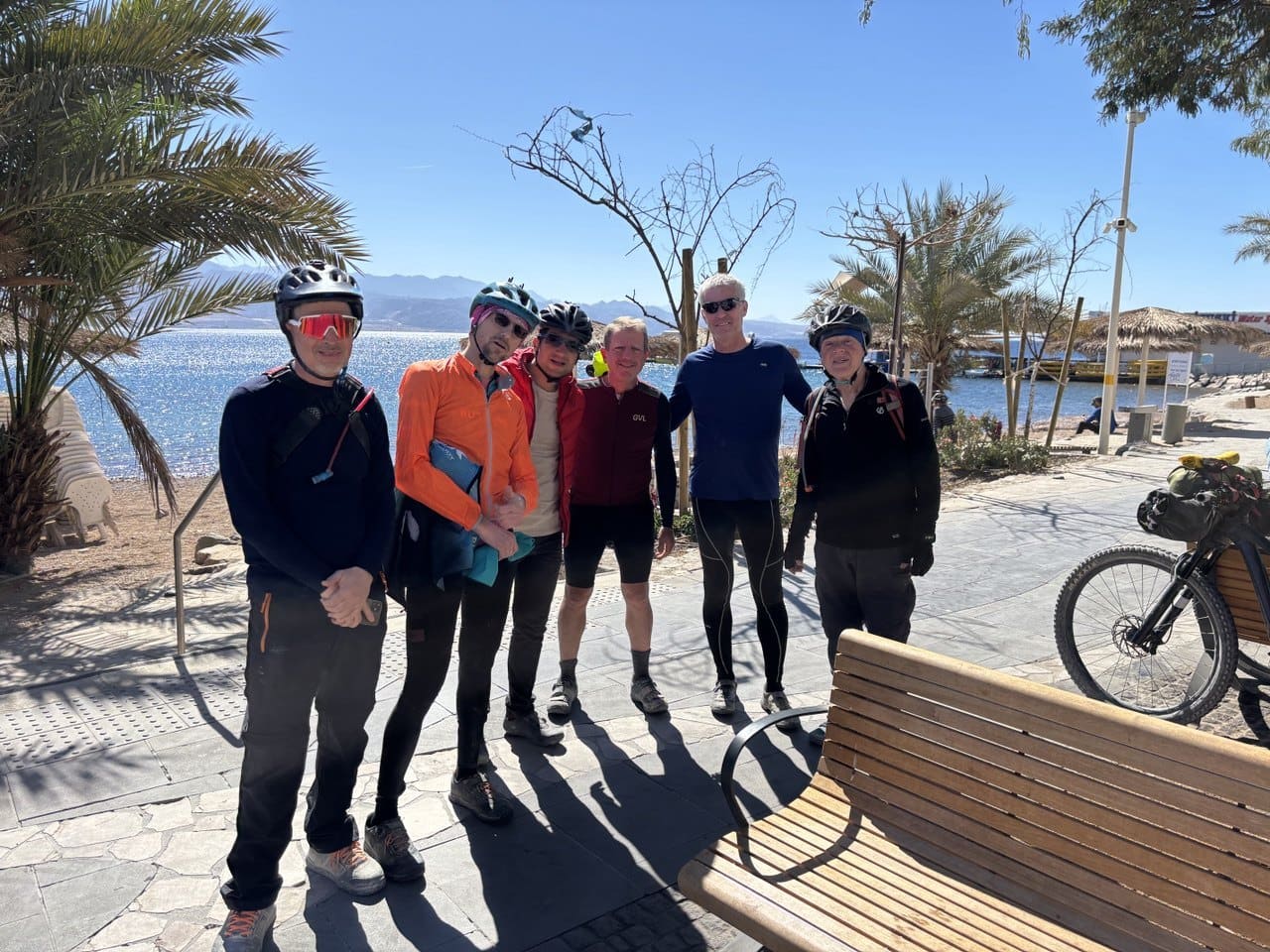
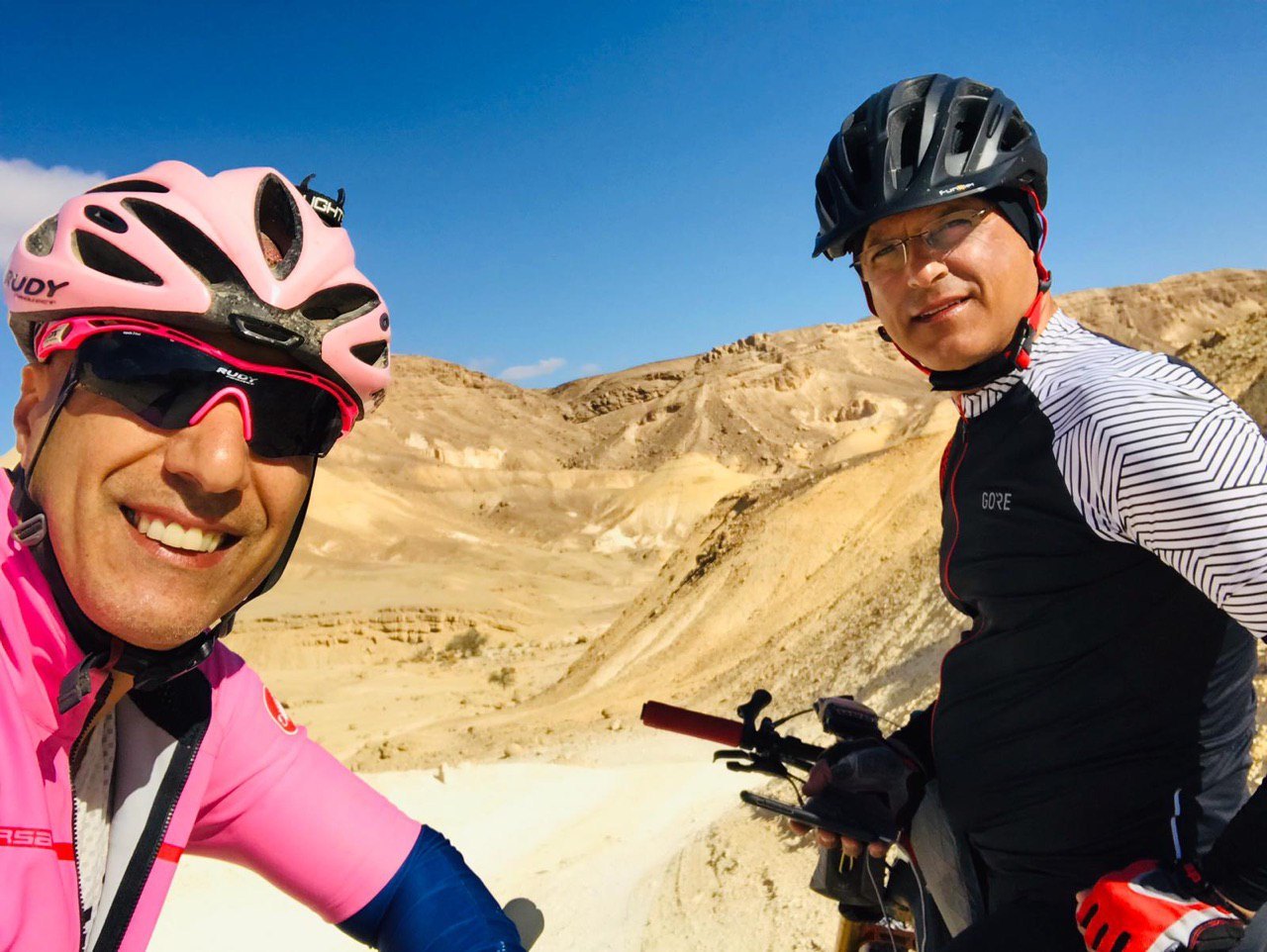
Every point is collected with a photo of the whole team. Here are a few, from the group of the six past editions.
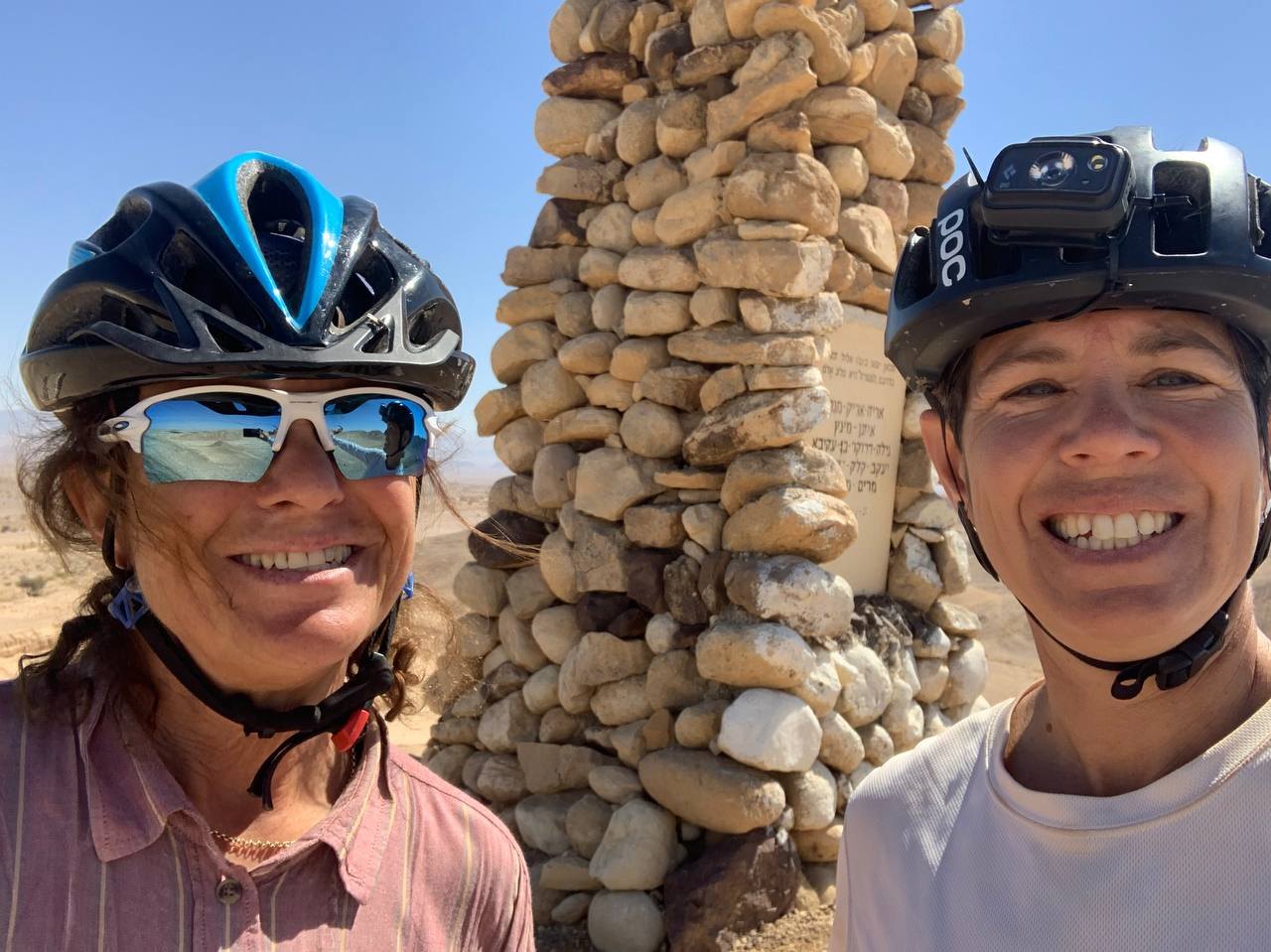
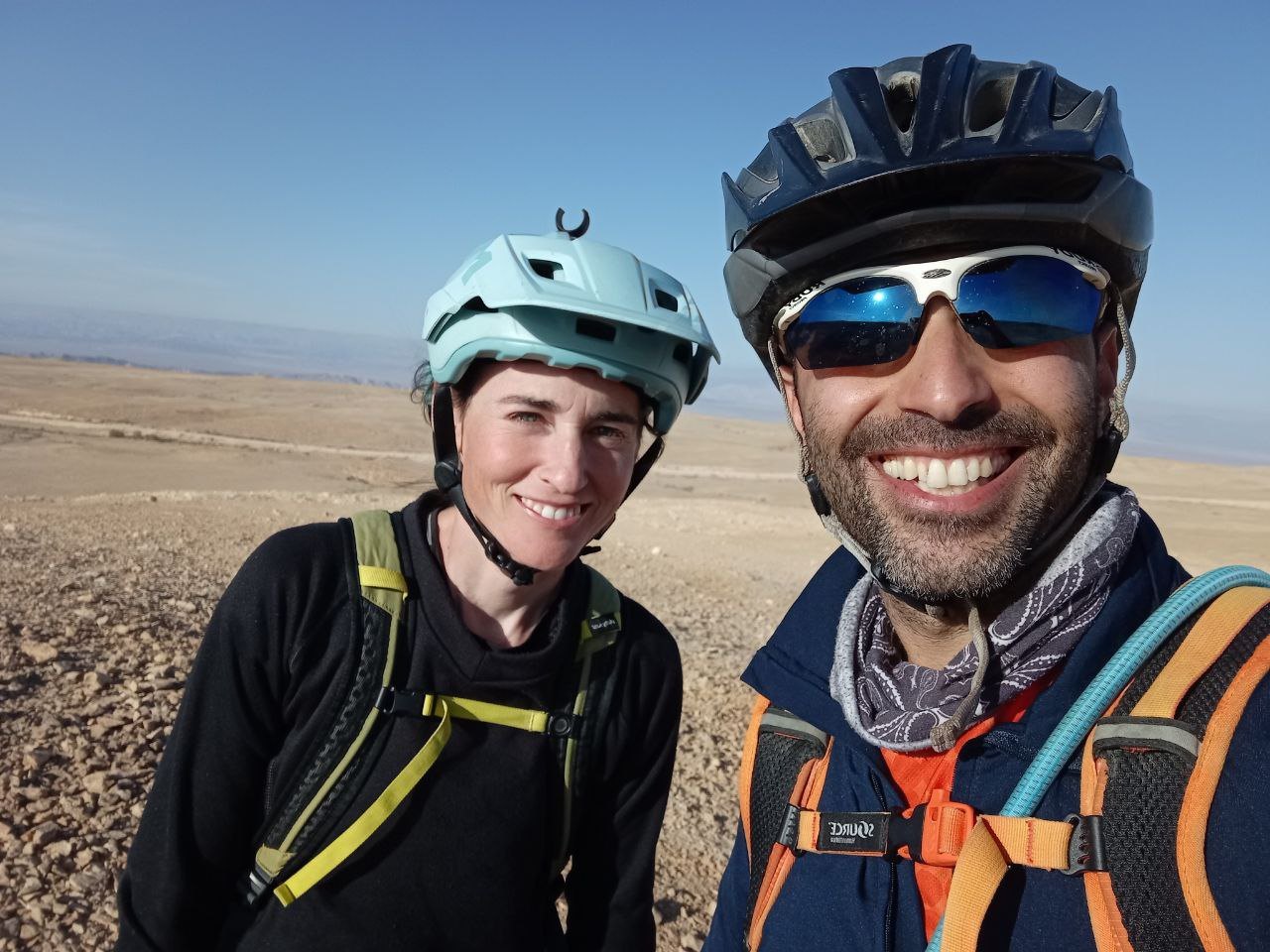
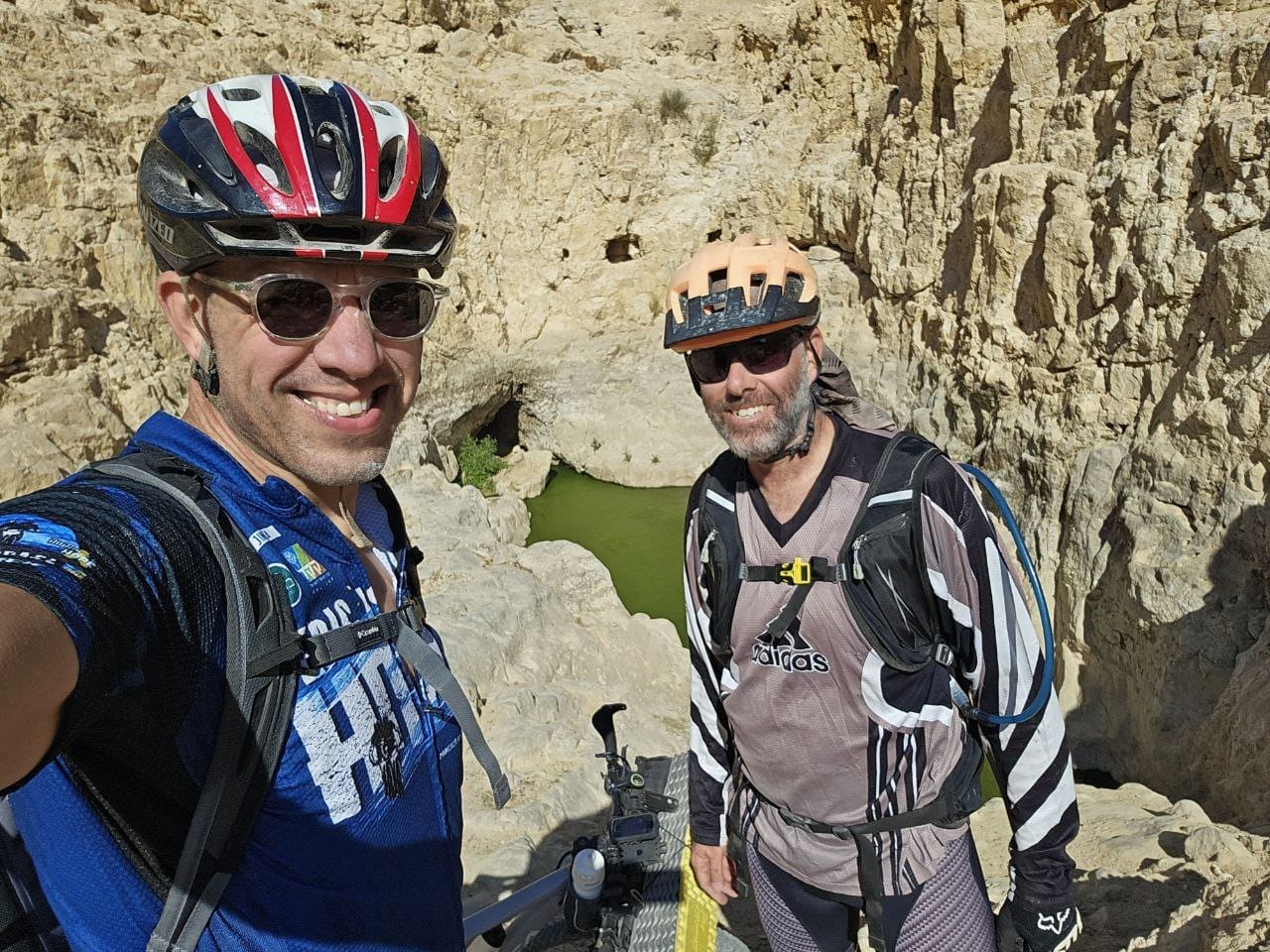
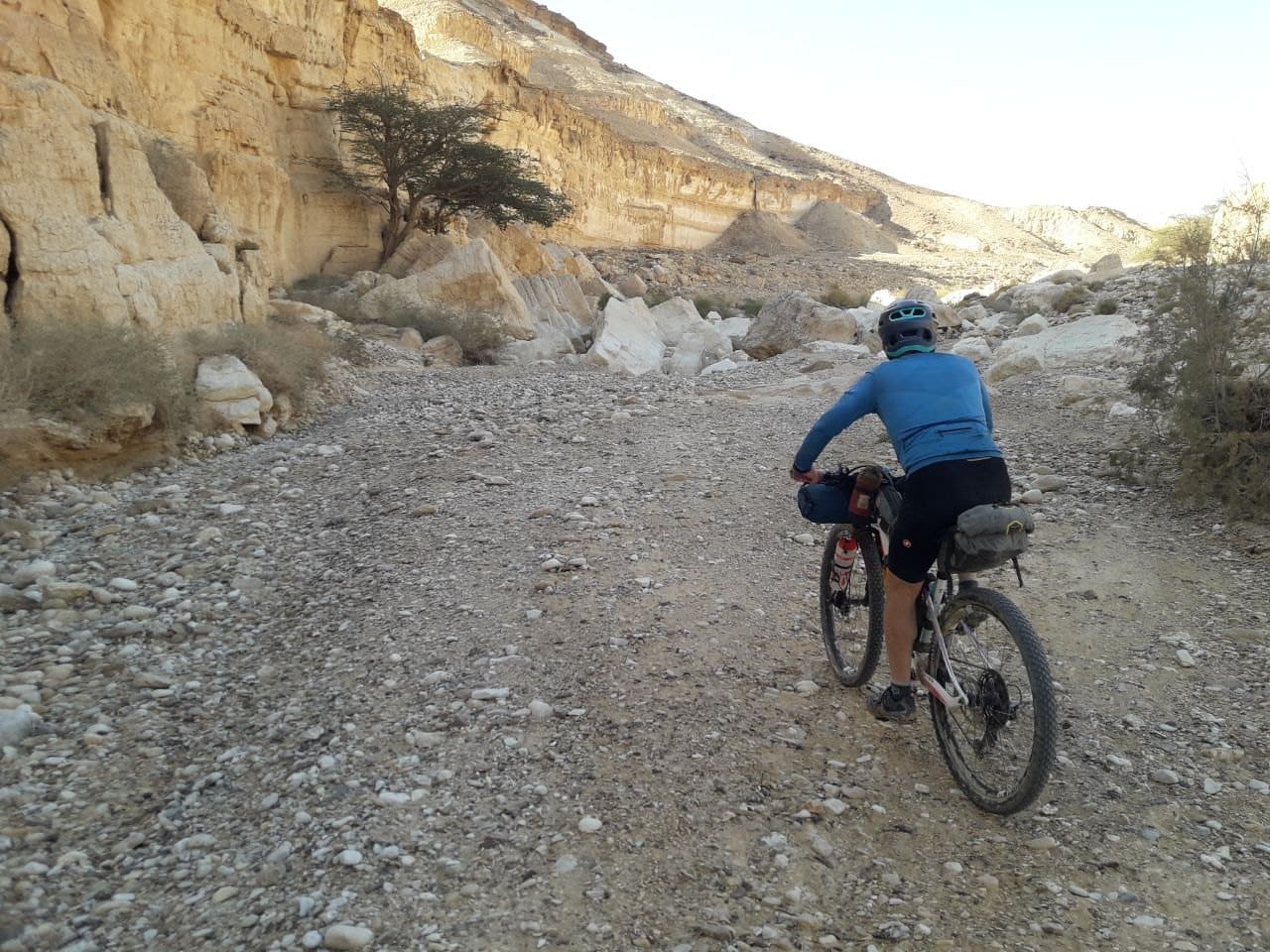
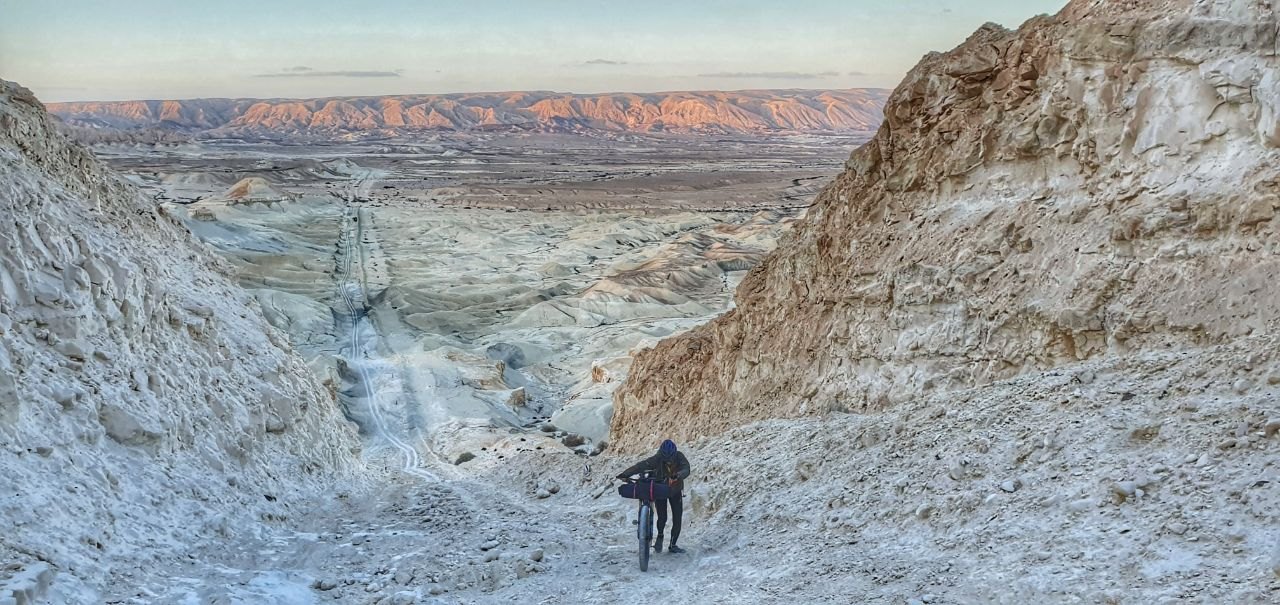
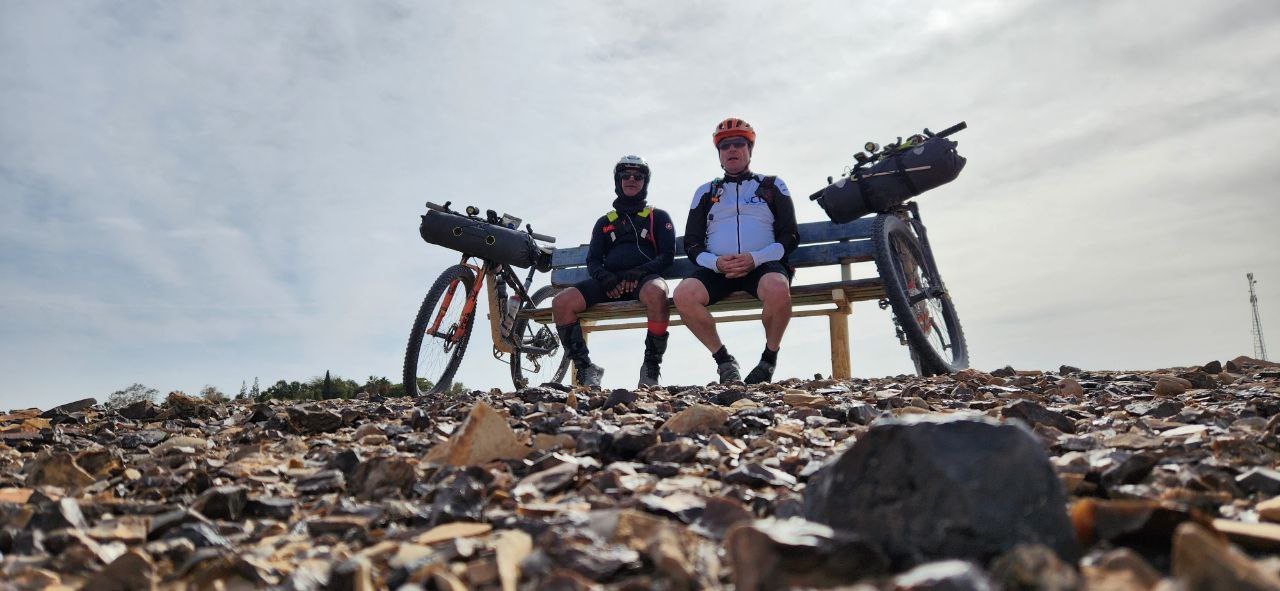
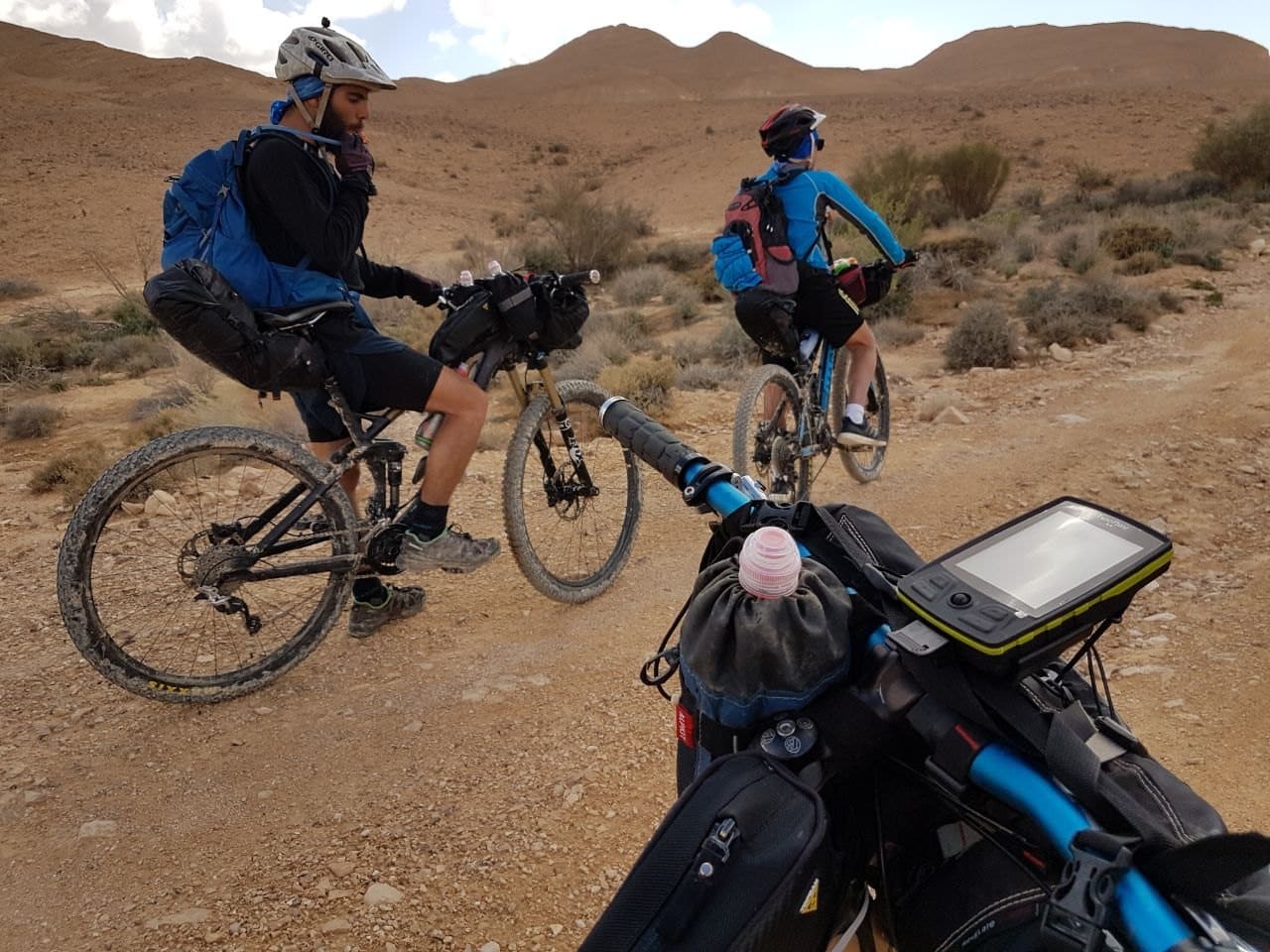
“Turns out we don’t need anyone to dictate a file for us to suffer. We can do it best ourselves.”
Eilam, after the first YOTA
What the veterans learned
Dropping points on the way is easy. Extending the route once you are close to Eilat is almost impossible.
Leave checkpoints in the south too, so you don’t end up near Eilat with time to spare and nothing left to collect.
Entry is coordinated only a few days ahead, with trail numbers and times. Always have an alternative route.
Rock pools, taps and tanks at campgrounds change from year to year. Check in advance and bring a filter.
Borot Lotz, Mitzpe Ramon and Har Karkom are especially cold. The Arava is warmer, so plan your sleep there.
Check in advance that your plan includes continuous position reports and that the device is linked to the event map.
The story so far
YOTA was born in 2019 as another step in the evolution of competitive bikepacking in Israel. After the NonStop came a small but cunning step: not another pre-set route, but a route each team plans for itself and improvises as needed.
Eli Shemesh and Ilan Tevet ran six editions, from 2019 to 2025. Yaron Froust finished every one of them, with Doron Sela by his side in the last five. Some teams rode almost every year; others came once and never forgot it.
In March 2025 the organisers announced it was the last edition. The replies in the group were clear: a real shame, and please find a way to keep this special event alive.
So we found a way. YOTA is back in 2027, with the same rules and the same spirit.
Six editions. The tables.
- 1PainKillersYossi Baruch · Tzvika Levin37pts
- 2Yaron-DoronDoron Sela · Yaron First24pts
- 3Daroma KapiotEran Shapiro · Bentzi Raby17pts
Register your team
A YOTA team is always two riders, who stay together from the start in Dimona to the beach in Eilat. Fill in a team name and both your details, and that’s it.
- Free
- 2 riders per team
- Start 4.3.2027
No teams yet. Be the first!
Find a partner. Start dreaming about maps.
Registration is open and free. The checkpoint list is published about a month before the start, and all updates go out in the Telegram group.
The partners behind the community
Israeli companies that ride with us: they back our events, offer perks to community members and help bikepacking in Israel grow.