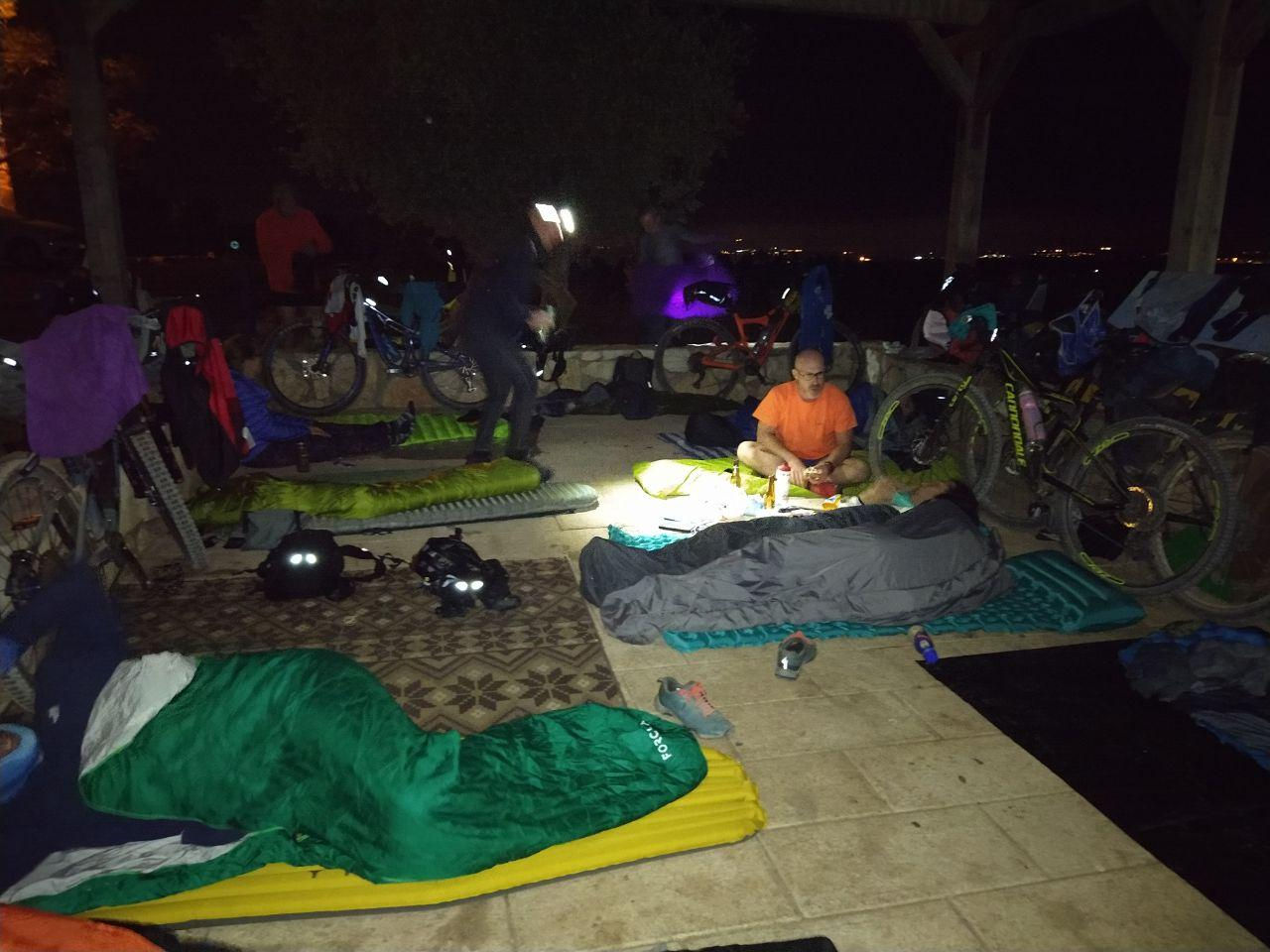
A pad keeps you away from the cold ground, lets you sleep comfortably and makes little stones disappear. Here are our tips.
Before you choose
- 01 Typical weight: from 300 g for inflatables up to 800 g for foam-and-air pads.
- 02 In the end a pad has to be comfortable to sleep on. If it isn't, try another.
- 03 Add a thin layer, like stiff plastic sheeting, underneath so air pads don't puncture and thorns don't stick in foam.
- 04 Before you go, lay it out at home or on the balcony and take a nap on it, so nothing surprises you on the trail.
The options today
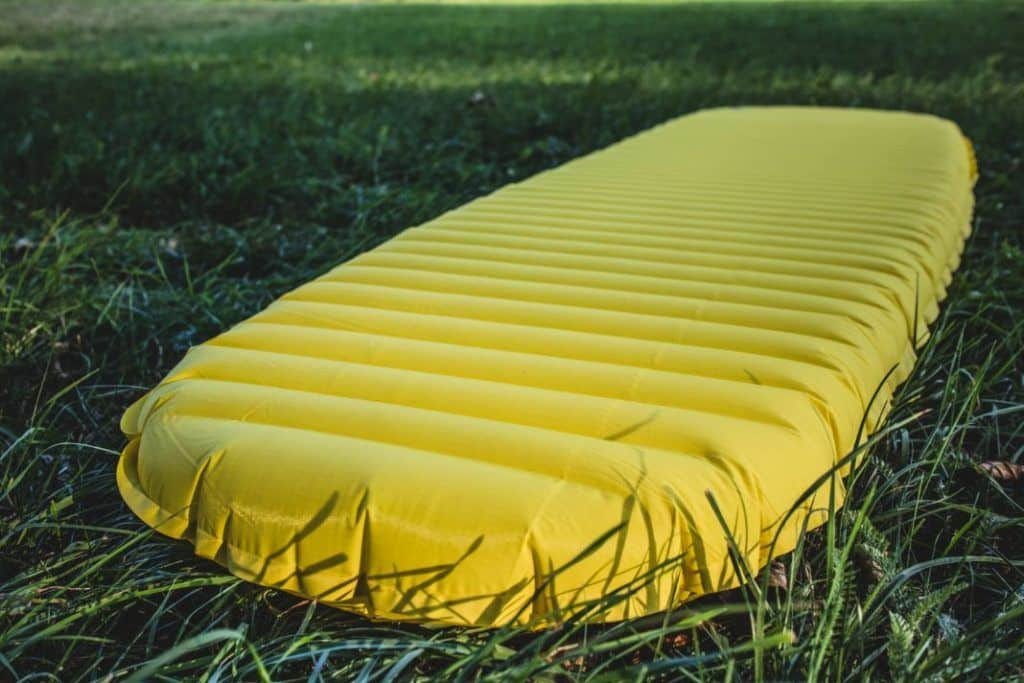
Inflatable pad
Tons of advantages: packs to fist size, mostly affordable, light and very well insulated. One big downside: a puncture ends your night. Most experienced riders choose inflatable.
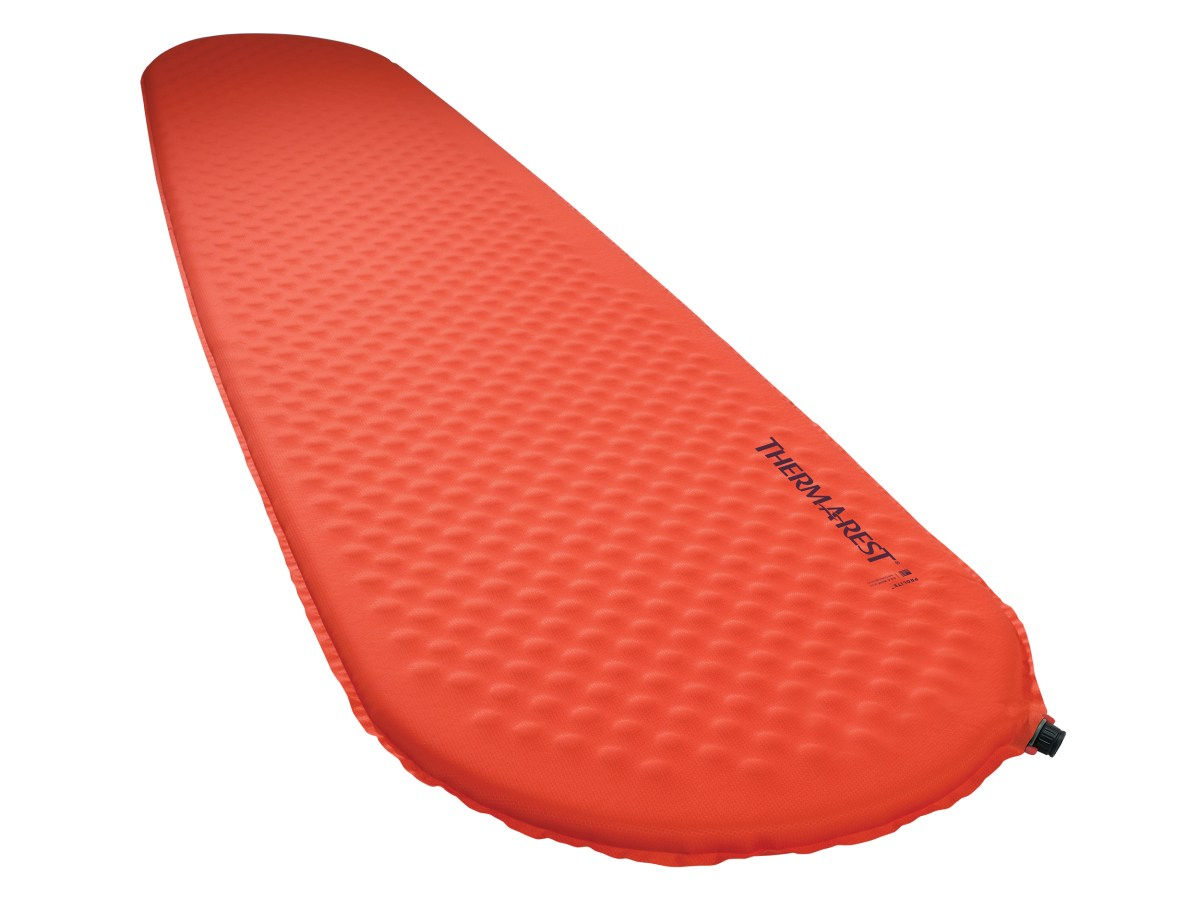
Self-inflating
All the benefits of an inflatable with a foam core, making it super comfortable. Still usable with a puncture, but weighs around 800 g.
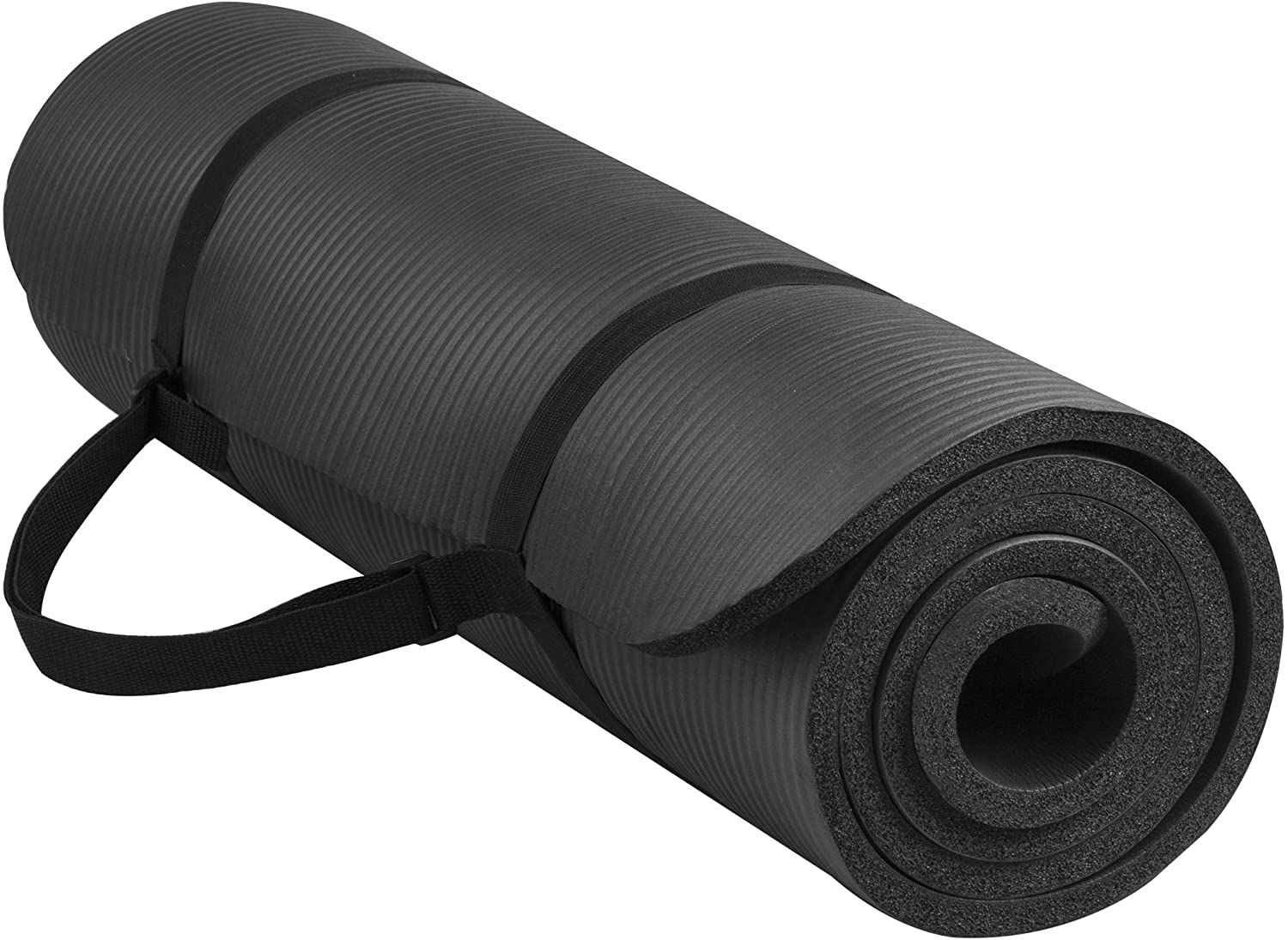
Yoga mat
Cheap, reliable and rolls up to strap on the handlebar next to the front bag. Stand on it to change clothes or spread it under a tree at lunch. Decent insulation, ideally 1 cm thick.
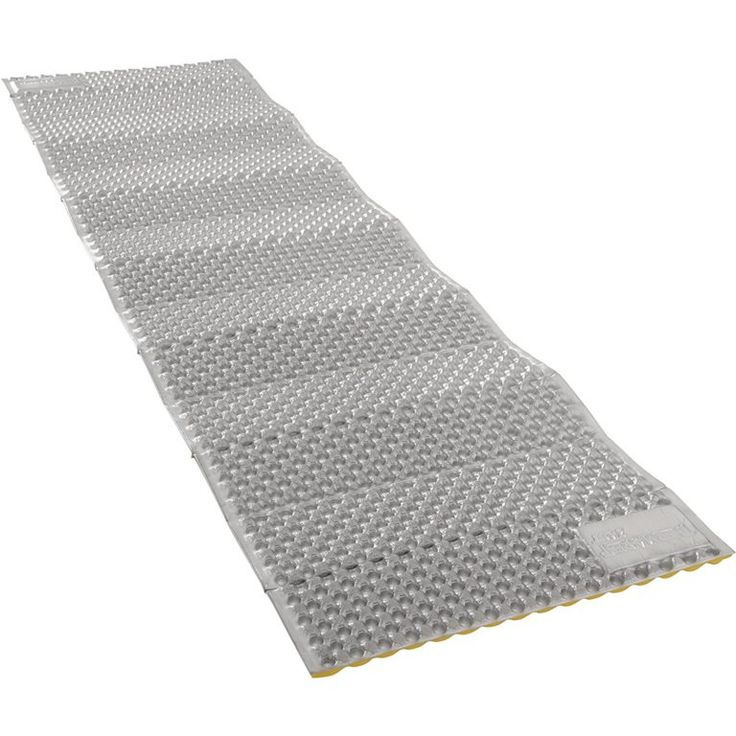
Egg-crate foam
Similar to a yoga mat, folding like an accordion. A bit heavier than a thin yoga mat, but insulates better and is durable. Cheap!
R-value: how well does the pad insulate?
- 01 R-value measures insulation from the ground. The higher it is, the warmer the pad. Most brands now test to the same standard (ASTM), so you can compare.
- 02 Summer: an R-value of 1–2 is enough.
- 03 Spring and autumn: 2–3.
- 04 Winter in the hills, the Negev and the Golan: 4 or more.
- 05 Winter trick: a foam or egg-crate pad under your inflatable. The R-values add up, and you get puncture protection too.
Size, shape and thickness
- 01 A mummy-shaped pad is lighter and packs smaller; a rectangular one is comfier if you move a lot in your sleep.
- 02 Side sleeper? Look for 7 cm or more, so your hip and shoulder don't touch the ground.
- 03 Standard width is about 51 cm. Broad-shouldered riders can get wide models of about 64 cm.
- 04 A short (3/4) pad saves weight. Rest your feet on the empty seat bag.
Inflating, repairs and care
- 01 Use a pump sack instead of your mouth. Moisture from your breath gets inside and can cause mould.
- 02 Always carry a repair kit: patches and glue. Most pads come with a small one.
- 03 Pad going flat overnight? Inflate it, dunk it in a puddle or dribble water on it and look for bubbles. Mark the spot and patch it once dry.
- 04 On cold nights a pad seems to go soft as the air cools. It's not always a hole: top it up before sleep.
- 05 At home store the pad unrolled with the valve open, not folded in its sack.