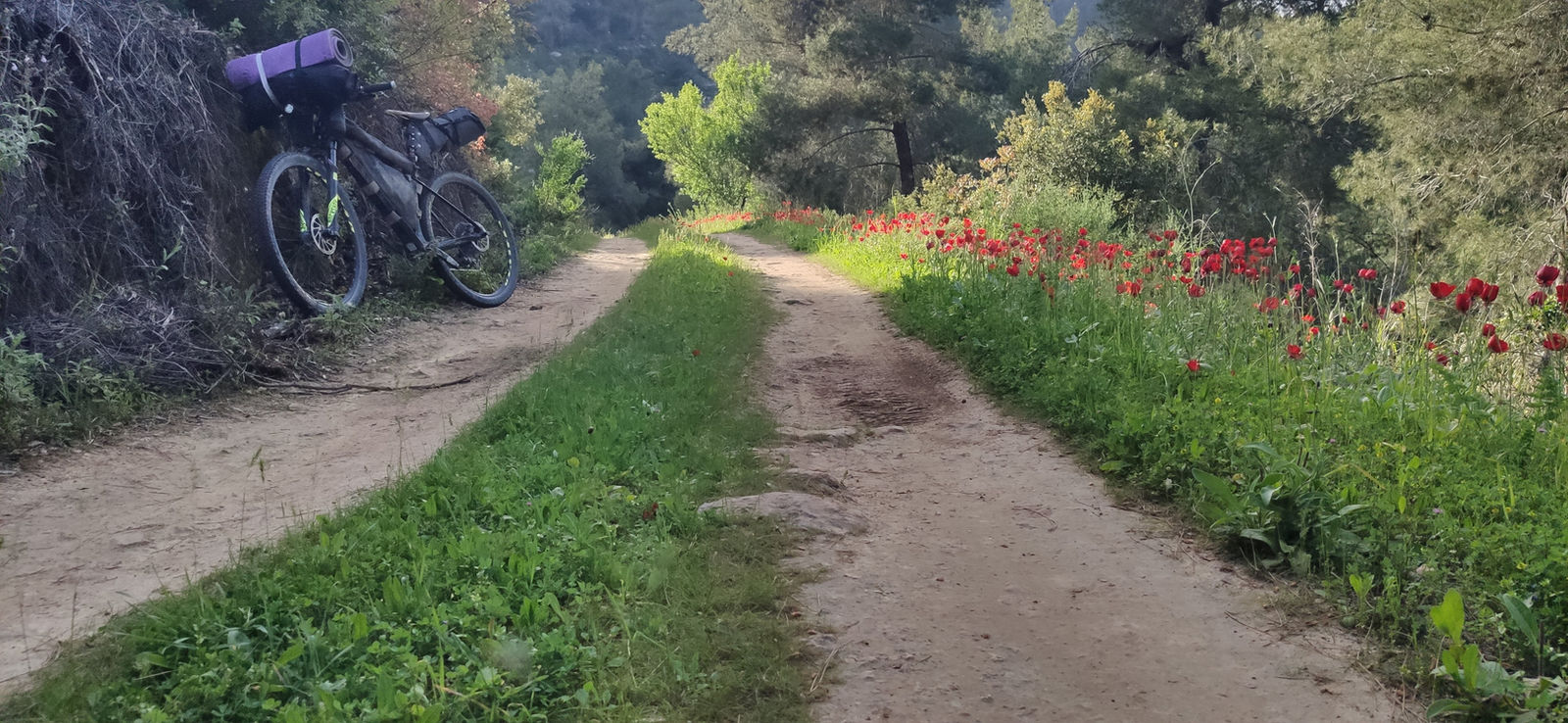
Bags affect how stable the bike feels and keep it planted, they take weight off your back, and most importantly, anyone you meet will know you're on a journey, not just riding around the block. So let's give them the attention they deserve.
The main bag types
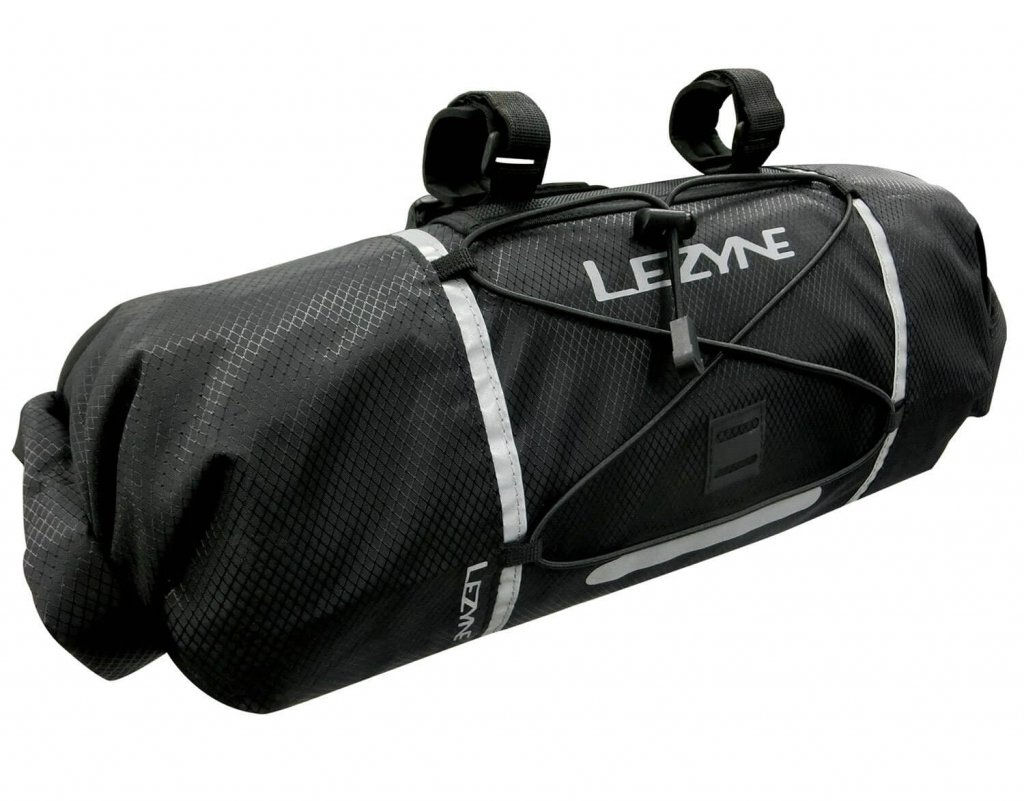
Handlebar bag
The first and most important bag, thanks to how flexible it is. It holds sleeping gear and clothes, and it’s long enough to strap a tent or pad to it.
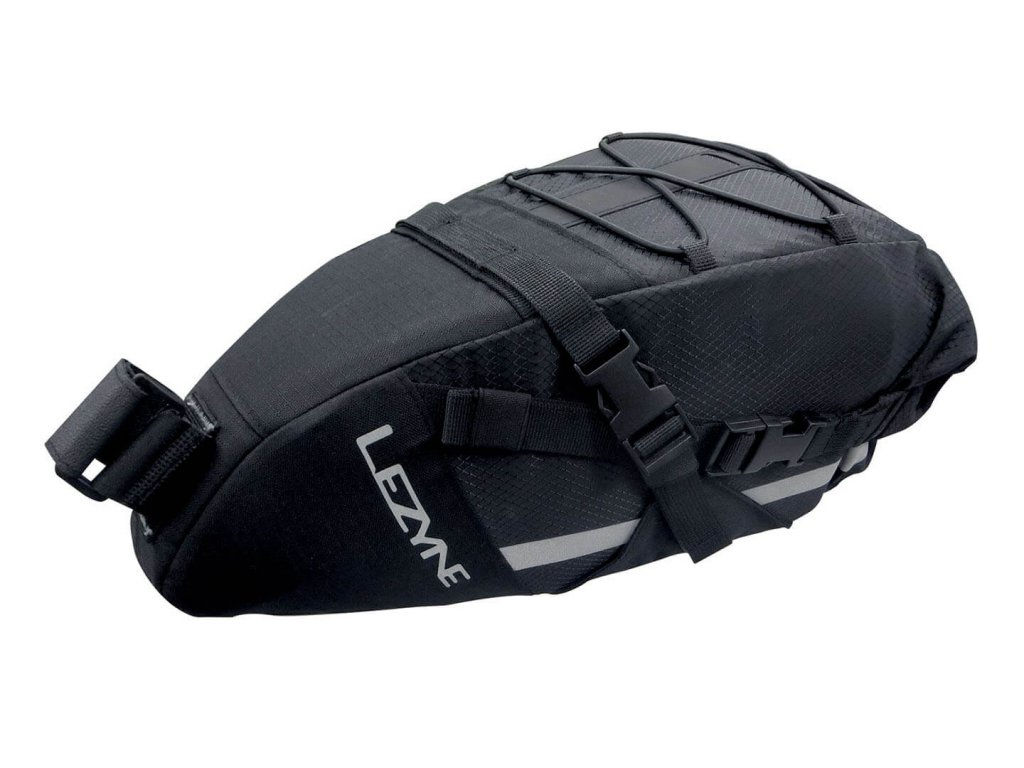
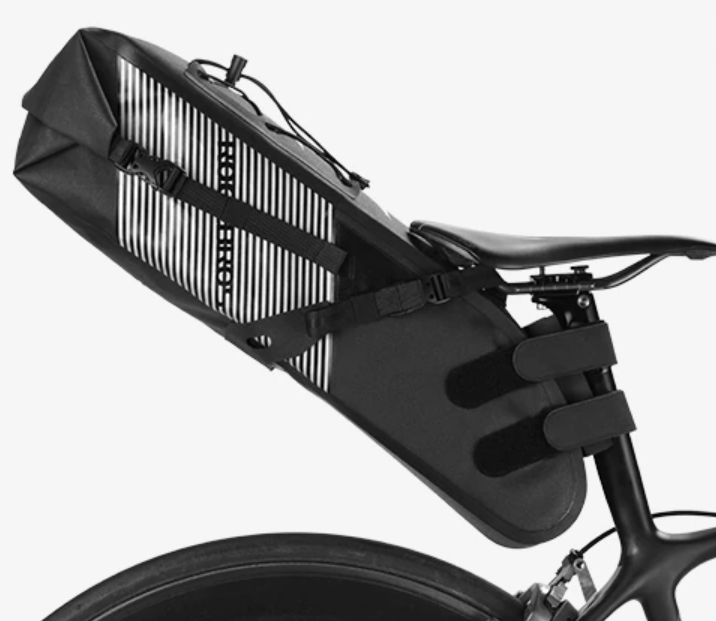
Saddle bag
Sits under the saddle and comes in many sizes and shapes. Huge advantages, from balancing the bike’s weight to taking load off your back.
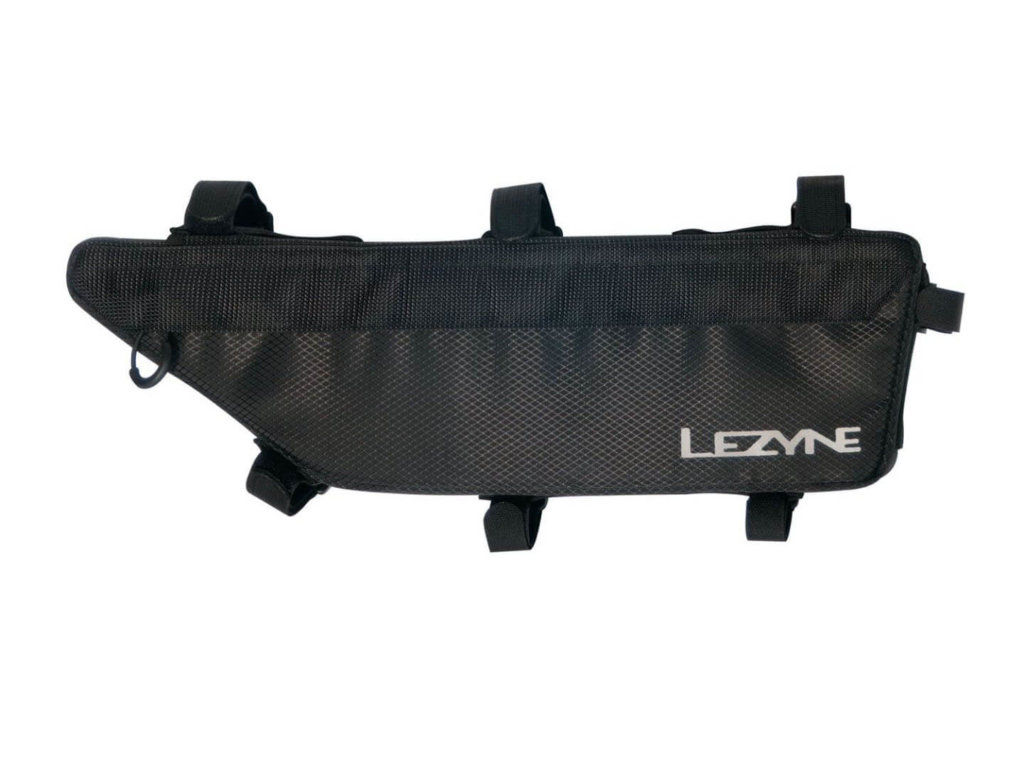
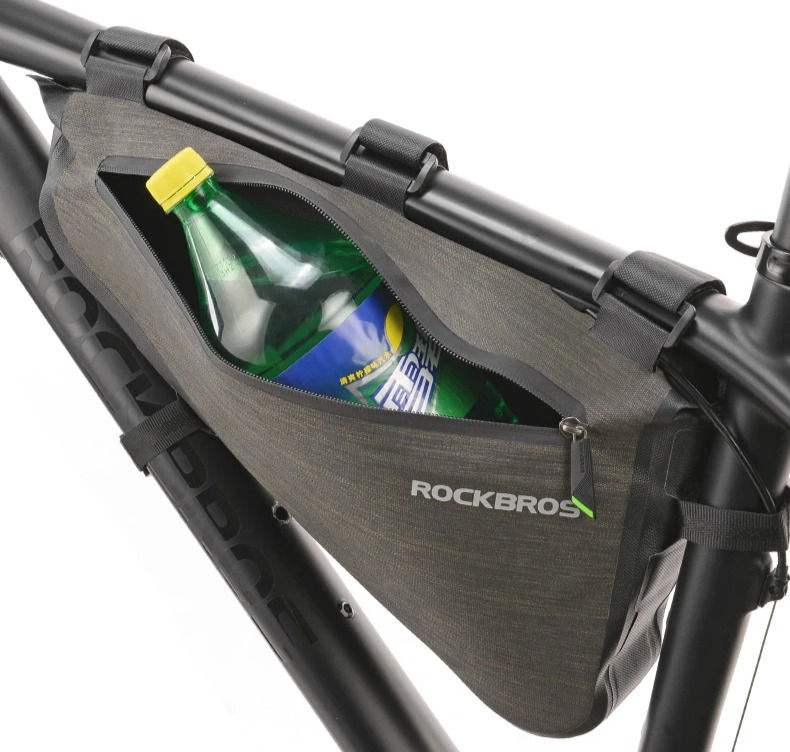
Frame bag
The long-distance rider’s storeroom. Huge capacity for things you rarely need while riding: cables, chargers, creams, food and more.
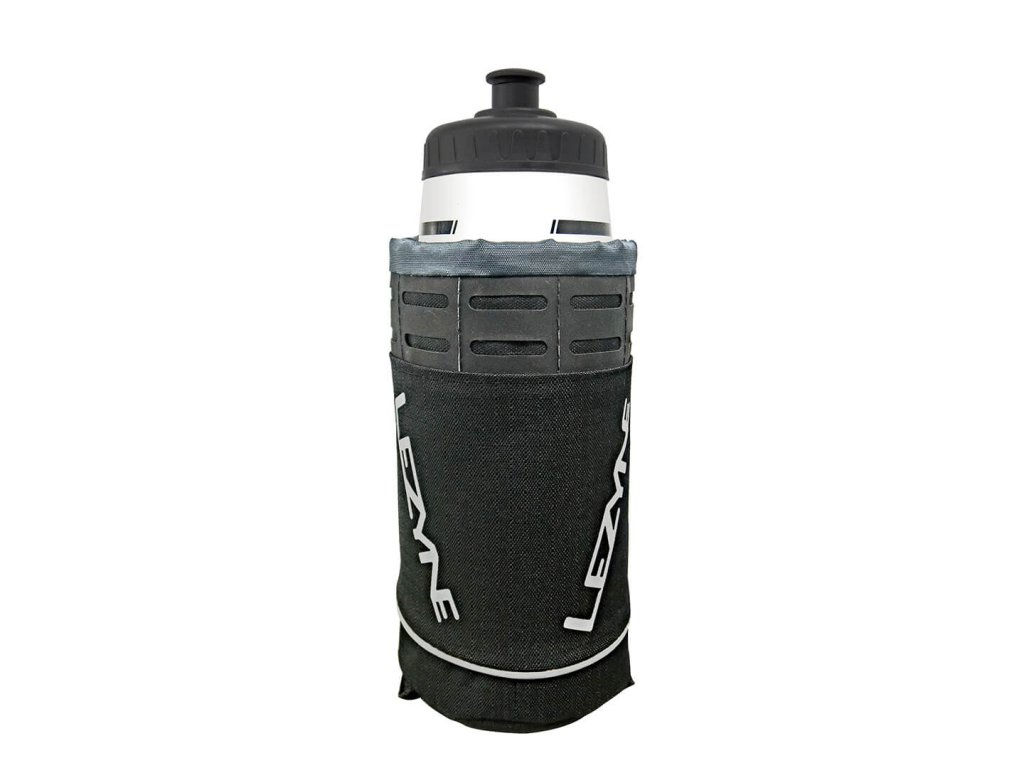
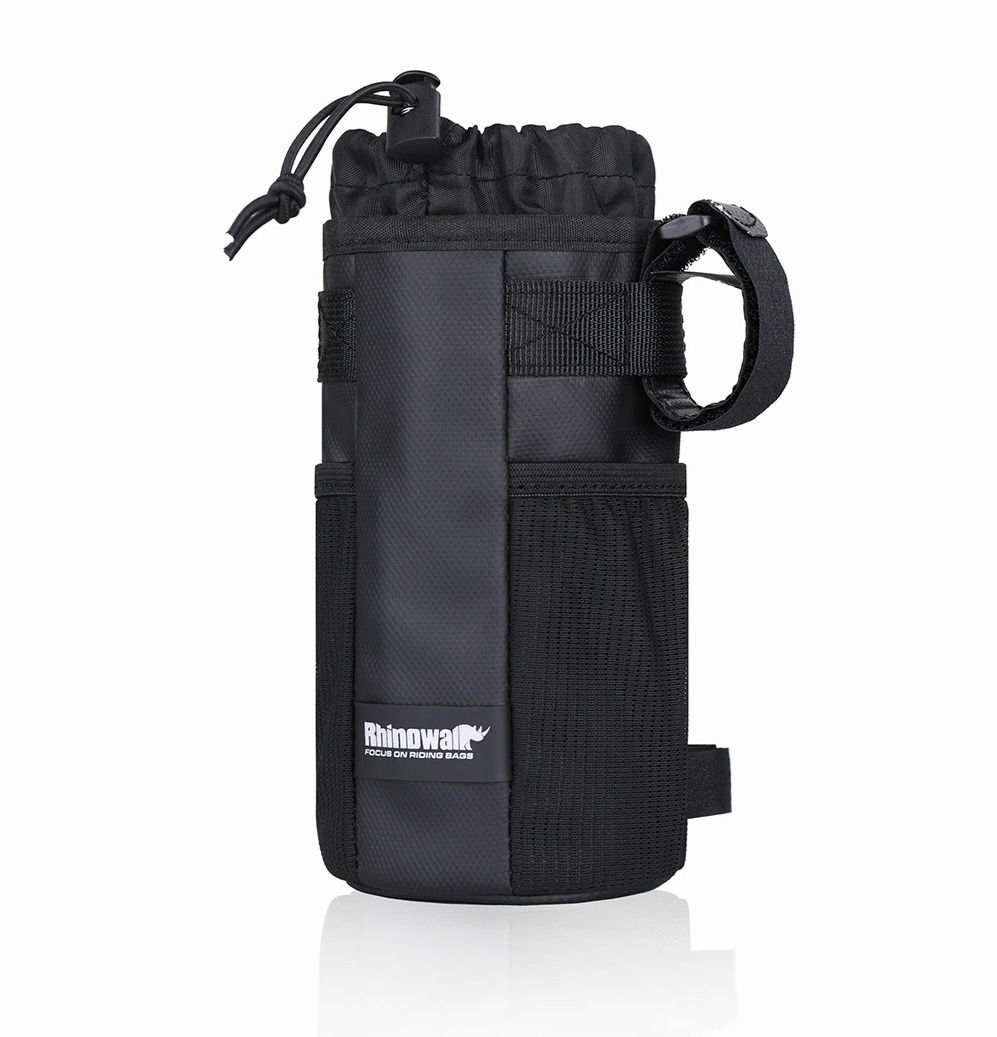
Pouches
Mounted on the sides or center of the handlebar, holding everything you need while riding: snacks, lip balm, phone, even a water bottle.
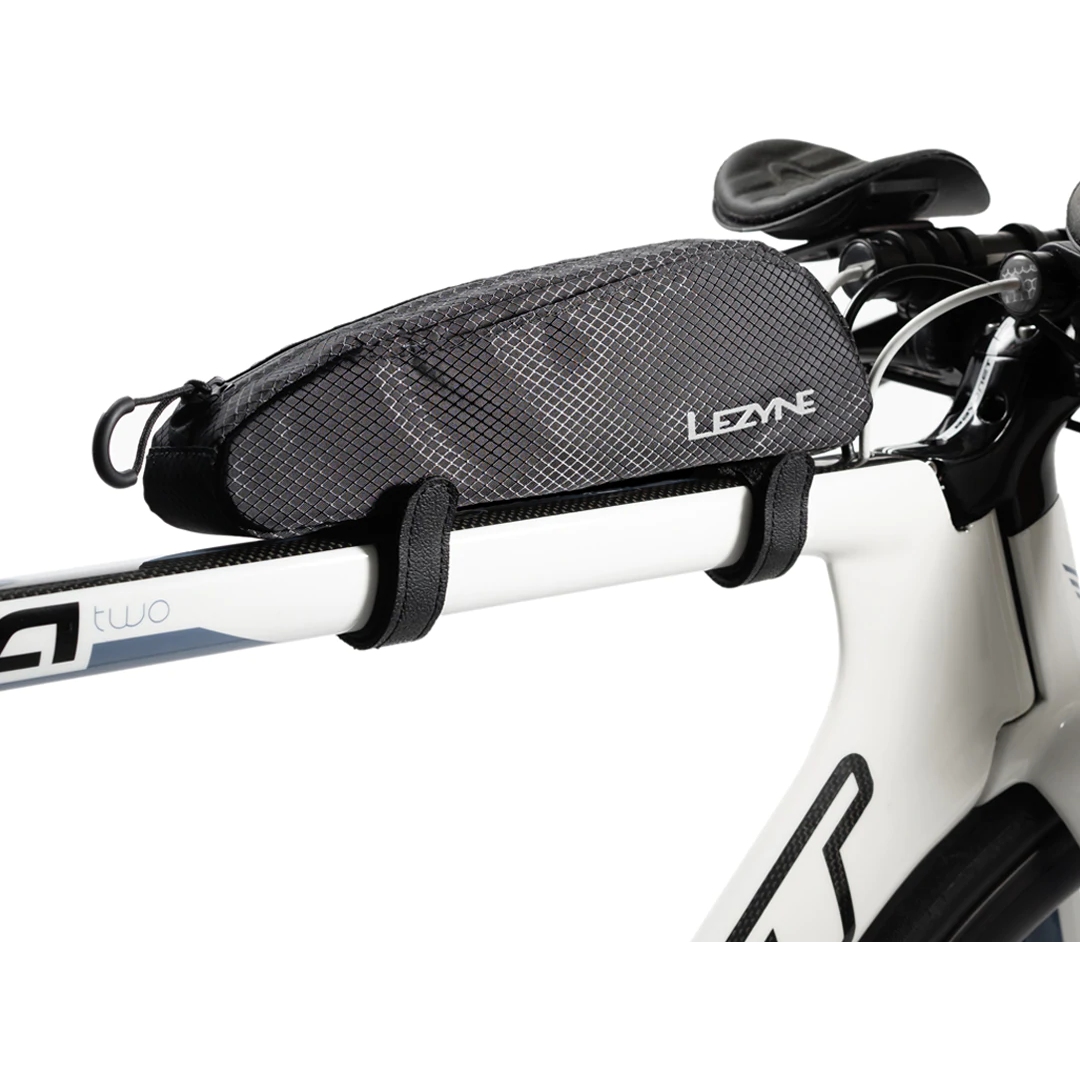
Top-tube bag (cockpit bag)
A small bag on the top tube, right behind the stem, held on with Velcro straps. Everything you want within reach without stopping: phone, snacks, power bank and sunscreen. Look for a zip you can open with one hand, and check it doesn’t rub your knees.
Bags for gravel bikes
Gravel bikes have narrow drop bars and a smaller frame triangle, so not every bikepacking bag fits. These bags are built narrower and lower, leaving room for bottles, shifters and knees.
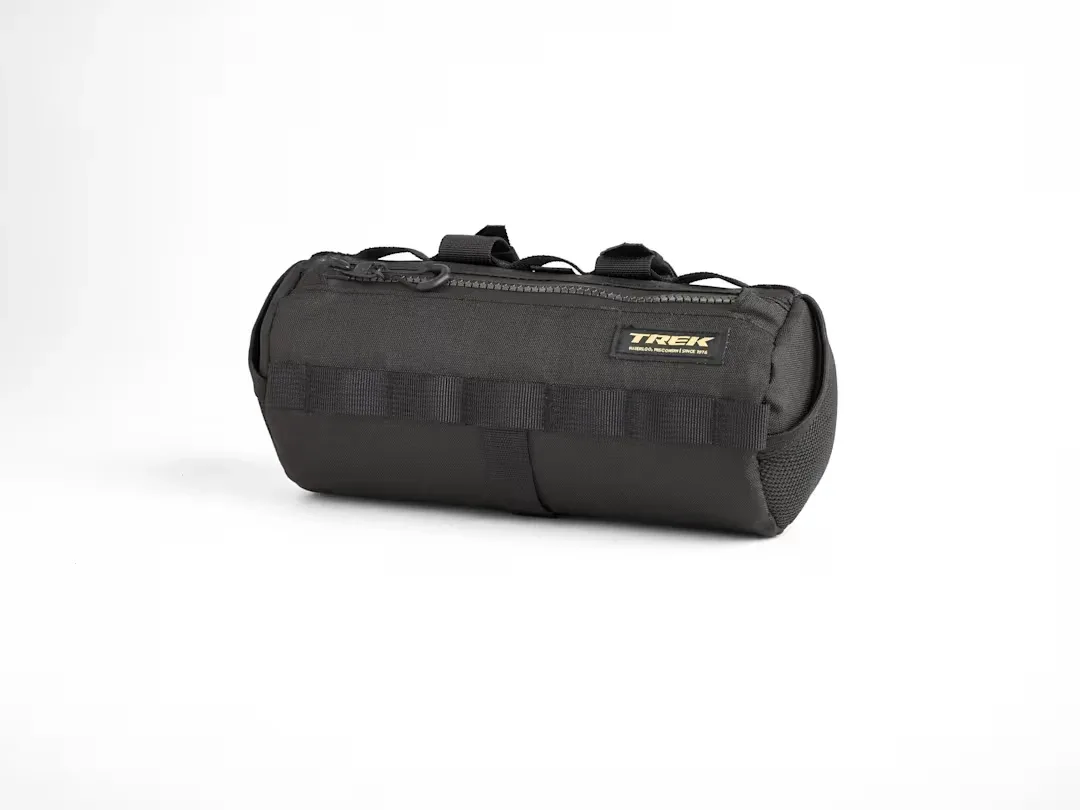
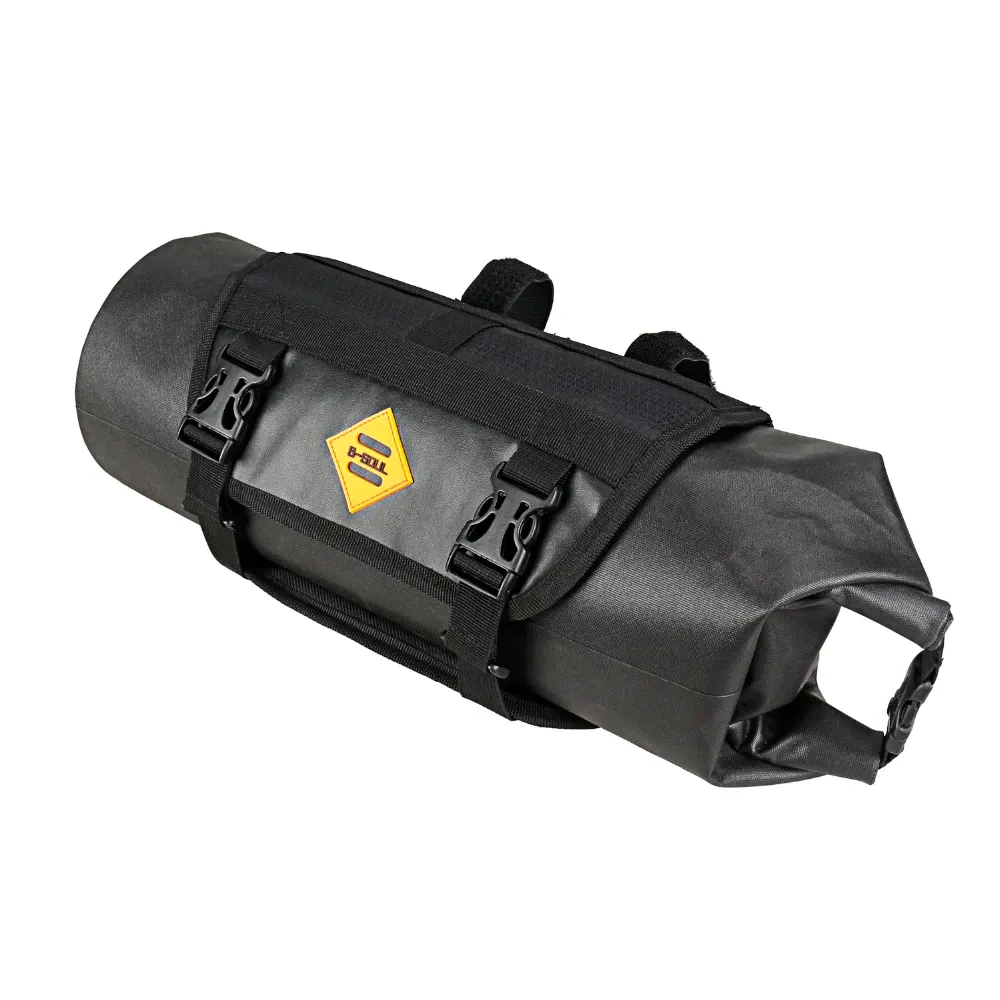
Narrow handlebar bag
On drop bars there’s only room between the hoods, so look for a narrow roll bag of 2–7 litres. Make sure it doesn’t block the shifters or press on the cables.
Example →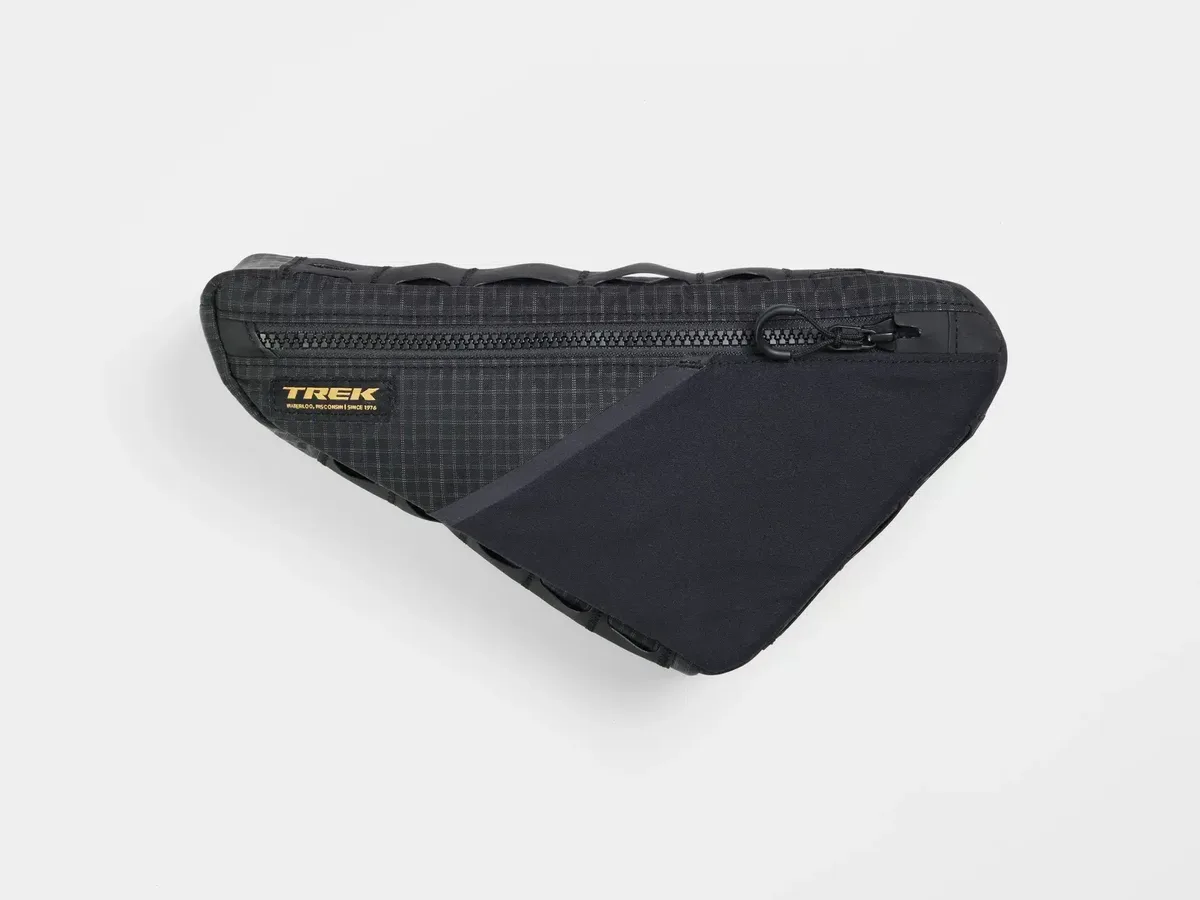
Half-frame bag
The most important bag on a gravel bike: it sits in the top of the triangle and leaves room for two bottles. In Israel, and especially in the desert, don’t give up on water.
Example →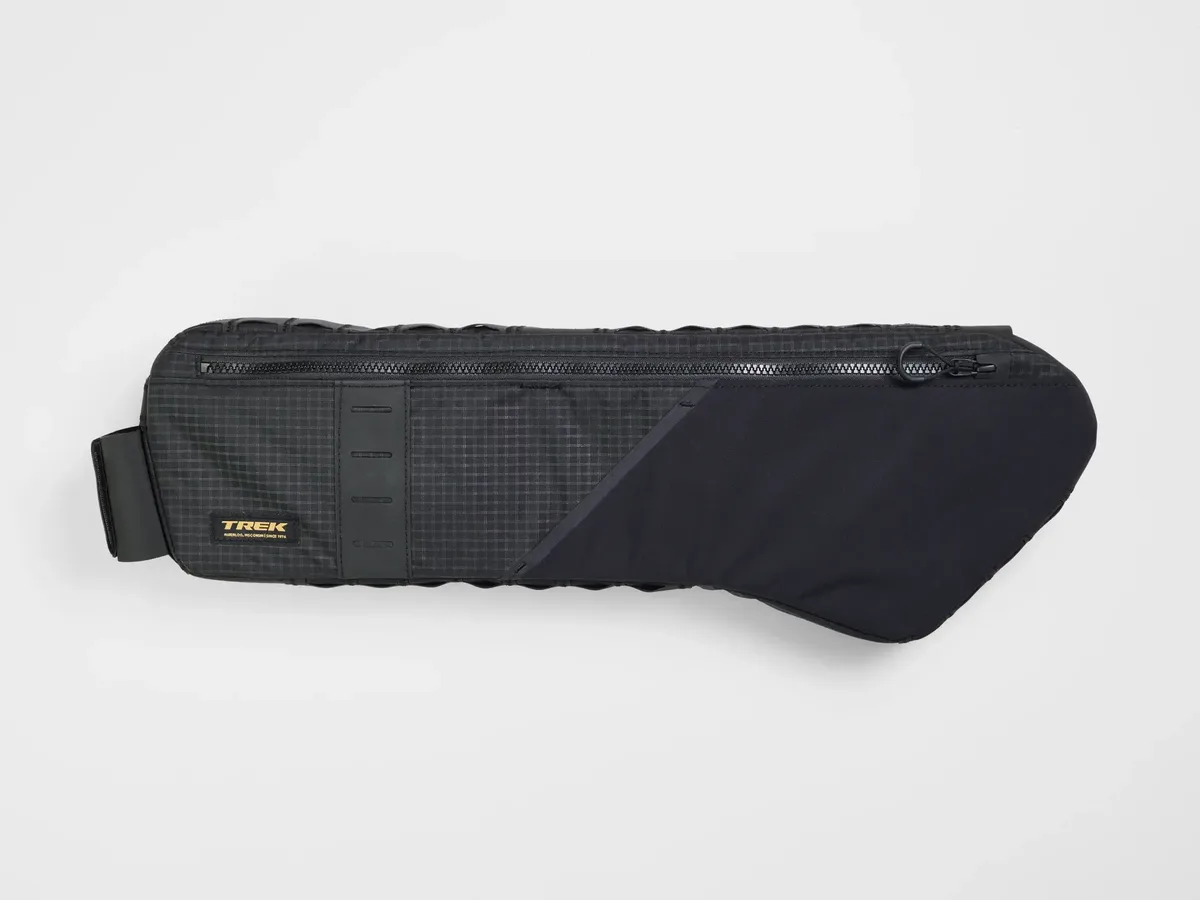
Full-frame bag
Maximum volume, with the weight sitting low and central. The downside: no room for bottles in the frame, so you need another way to carry water – on the fork, on the bars or in a small backpack.
Example →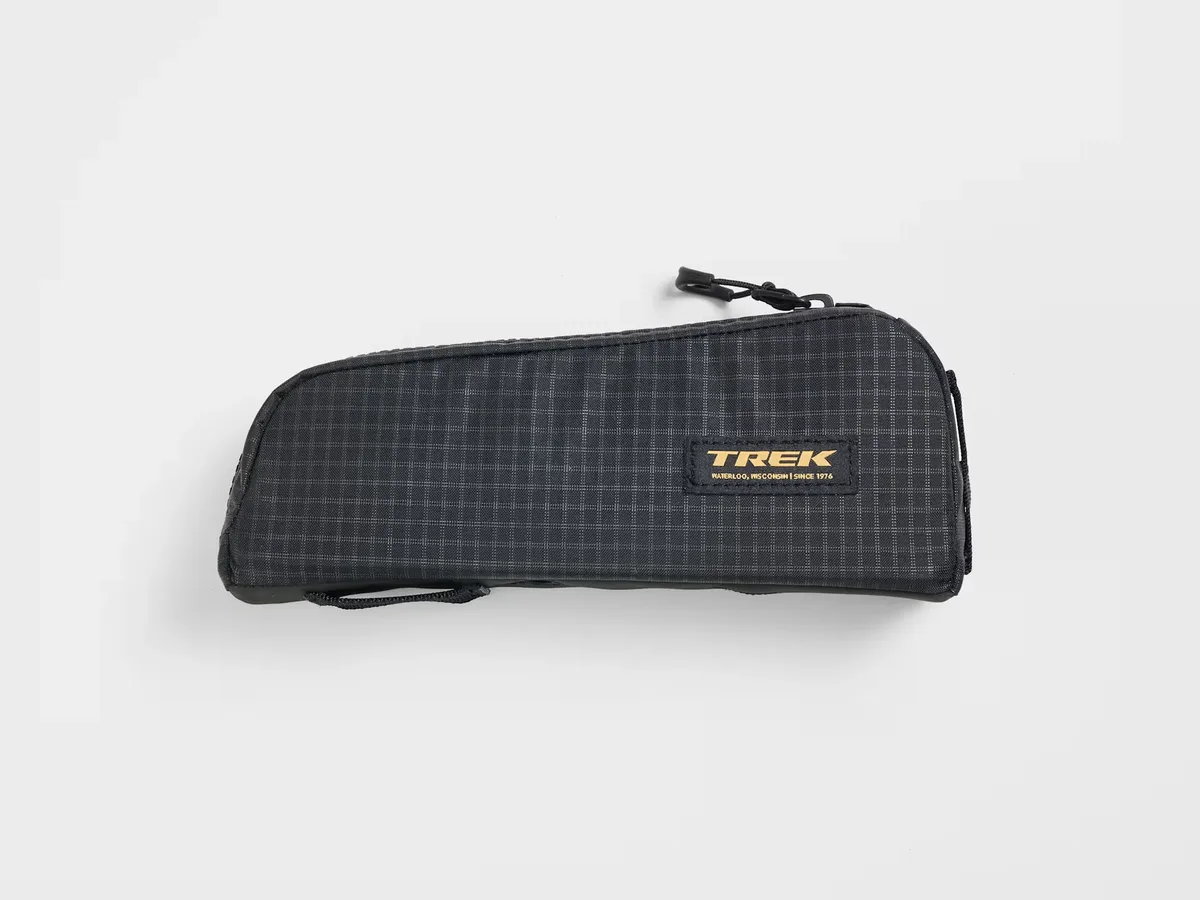
Top-tube bag
For snacks, phone and a power bank, within reach without stopping. On a gravel bike, check it doesn’t touch your knees when you stand on the pedals.
Example →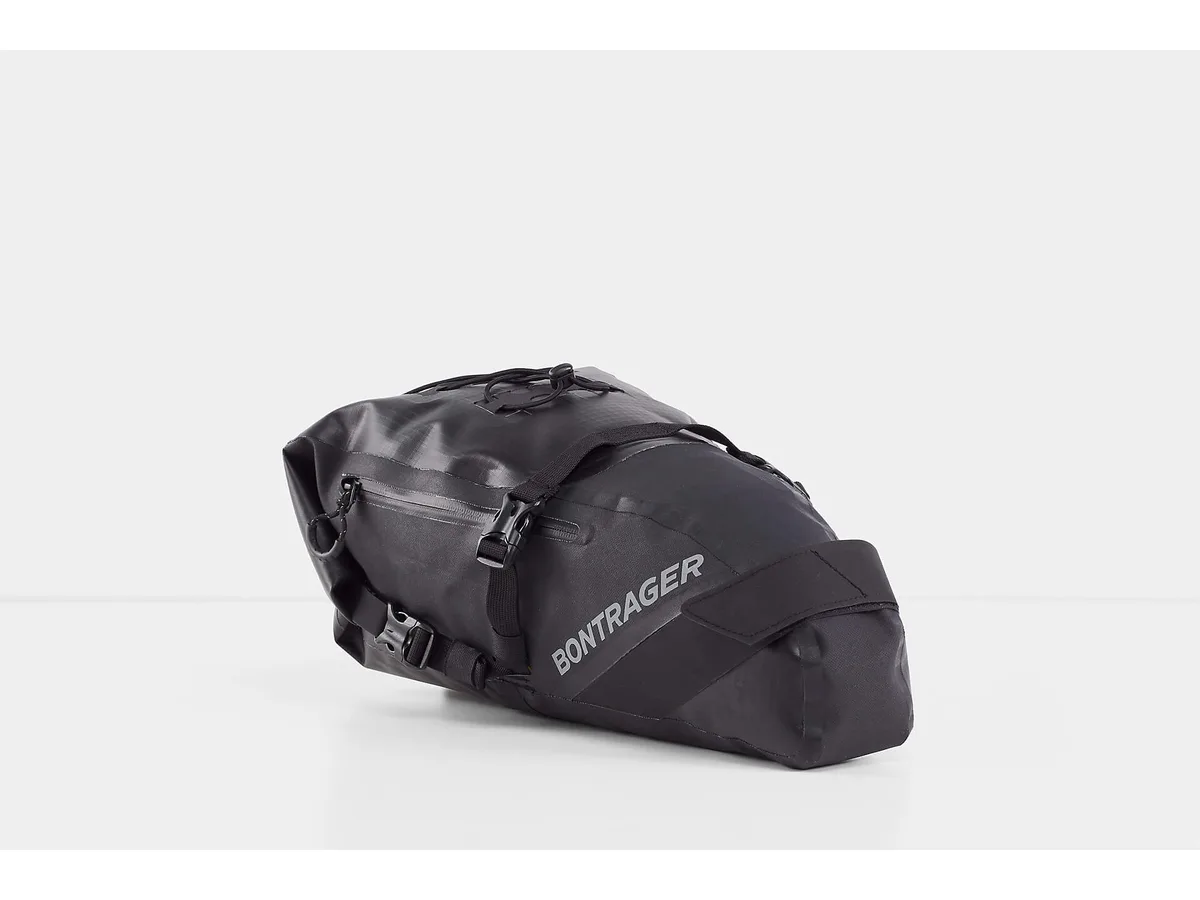
Saddle bag
8–10 litres is enough for clothes and a light sleeping bag. On small frames, check there’s enough clearance between the bag and the rear wheel, and strap it tight so it doesn’t sway.
Example →Keep the heavy stuff low and central: heavy gear in the frame bag, light and bulky gear on the bars and saddle. That keeps the bike stable even on gravel descents.
Recommended bags by budget
Rack-mounted bags
Popular with tourers, but Israeli routes are tight, with lots of singletrack and dense vegetation, so these are less suitable here.
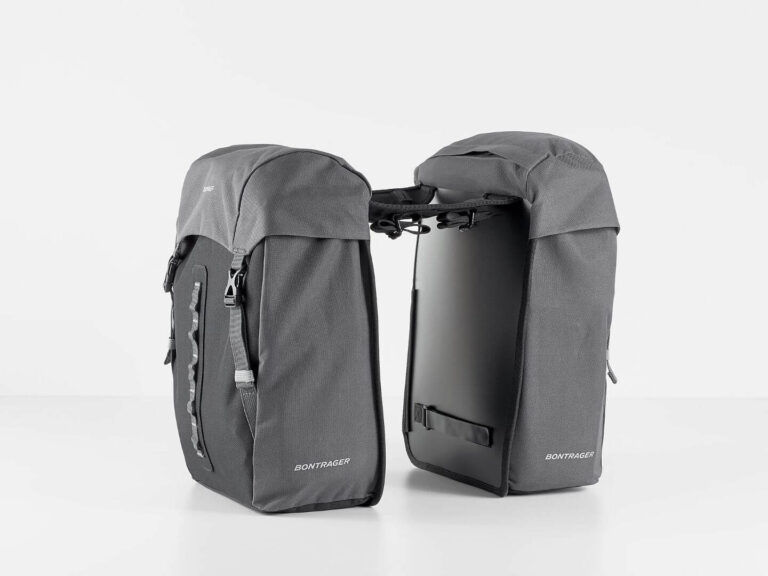
Panniers
A touring favorite, but a poor fit for Israel’s narrow trails.
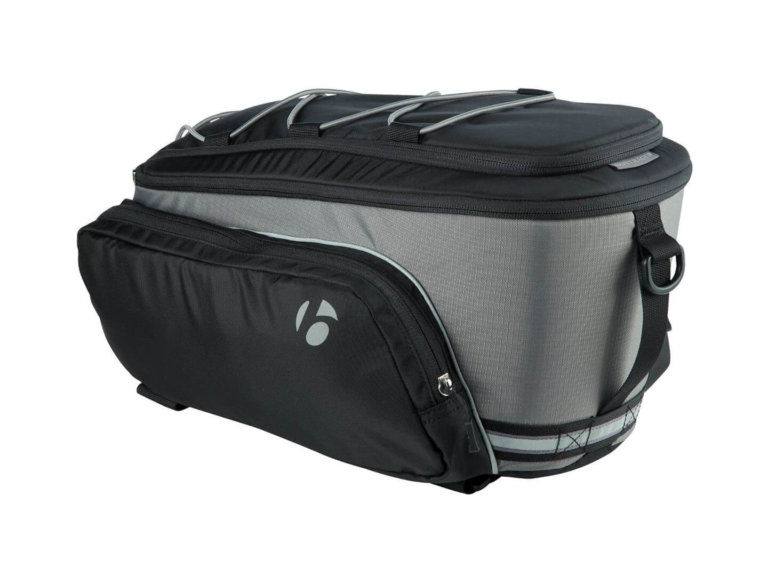
Rack trunk bag
Items sit rather than get squeezed, and capacity is usually larger. The cost: rack and bag weight, not every bike fits one, and a higher price.